
Notes from the trade
Plain-spoken guides to pine chemistry, grades and buying, written from 46 years of making and supplying these materials from Kanpur.
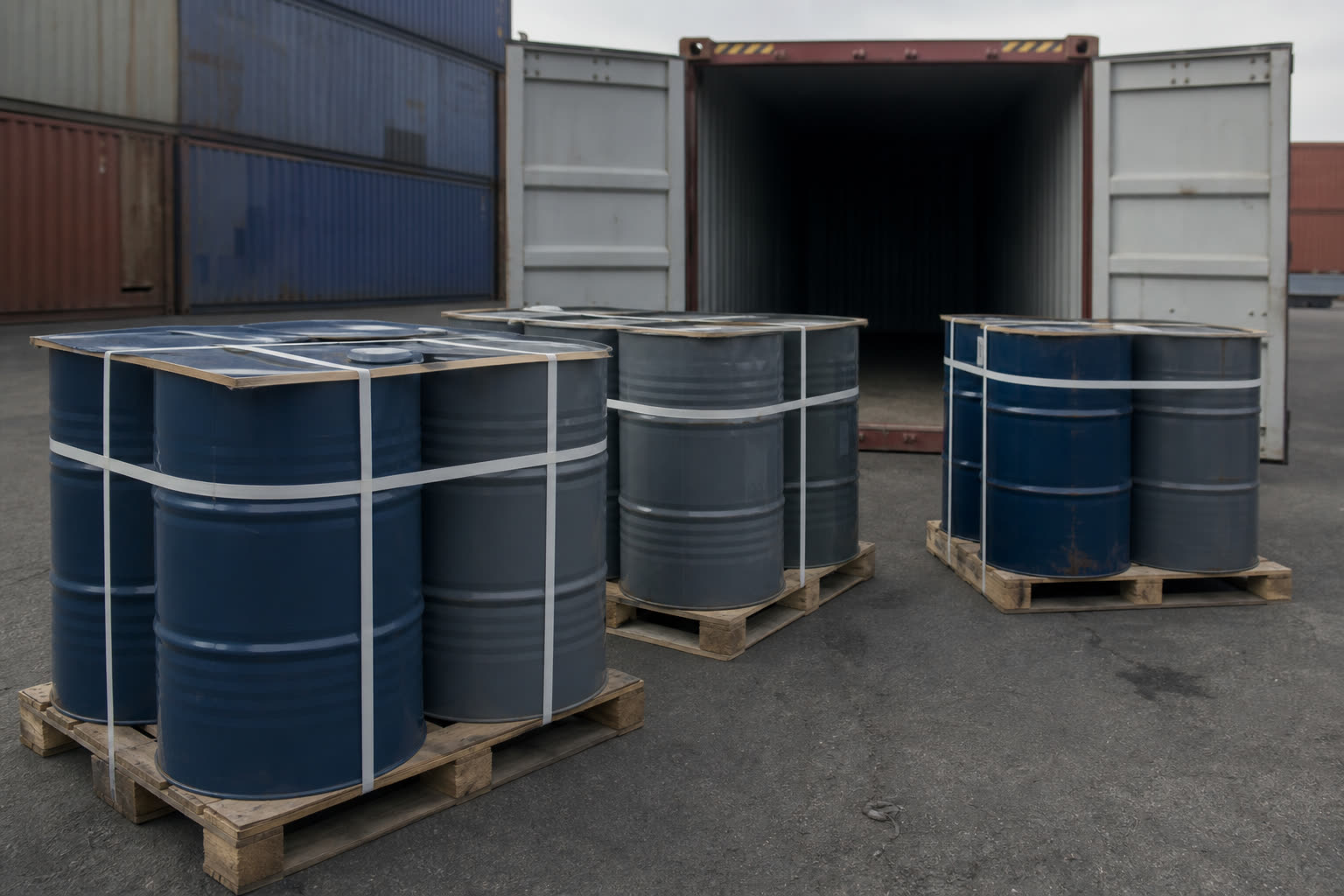
Pine Chemicals Packing and Export: Barrels, Tankers, and COA
Getting pine chemicals from a plant in Kanpur to a buyer in Thailand, the United States, or Indonesia involves more than just the product. Packing format, documentation, and export logistics are where deals either run smoothly or run into trouble.
How to Buy Chemicals Using CAS Numbers: A Buyer's Guide
Trade names for chemicals vary between suppliers and countries, but a CAS number is universal. Understanding how to use CAS numbers prevents costly ordering errors and makes cross-supplier comparison simpler.
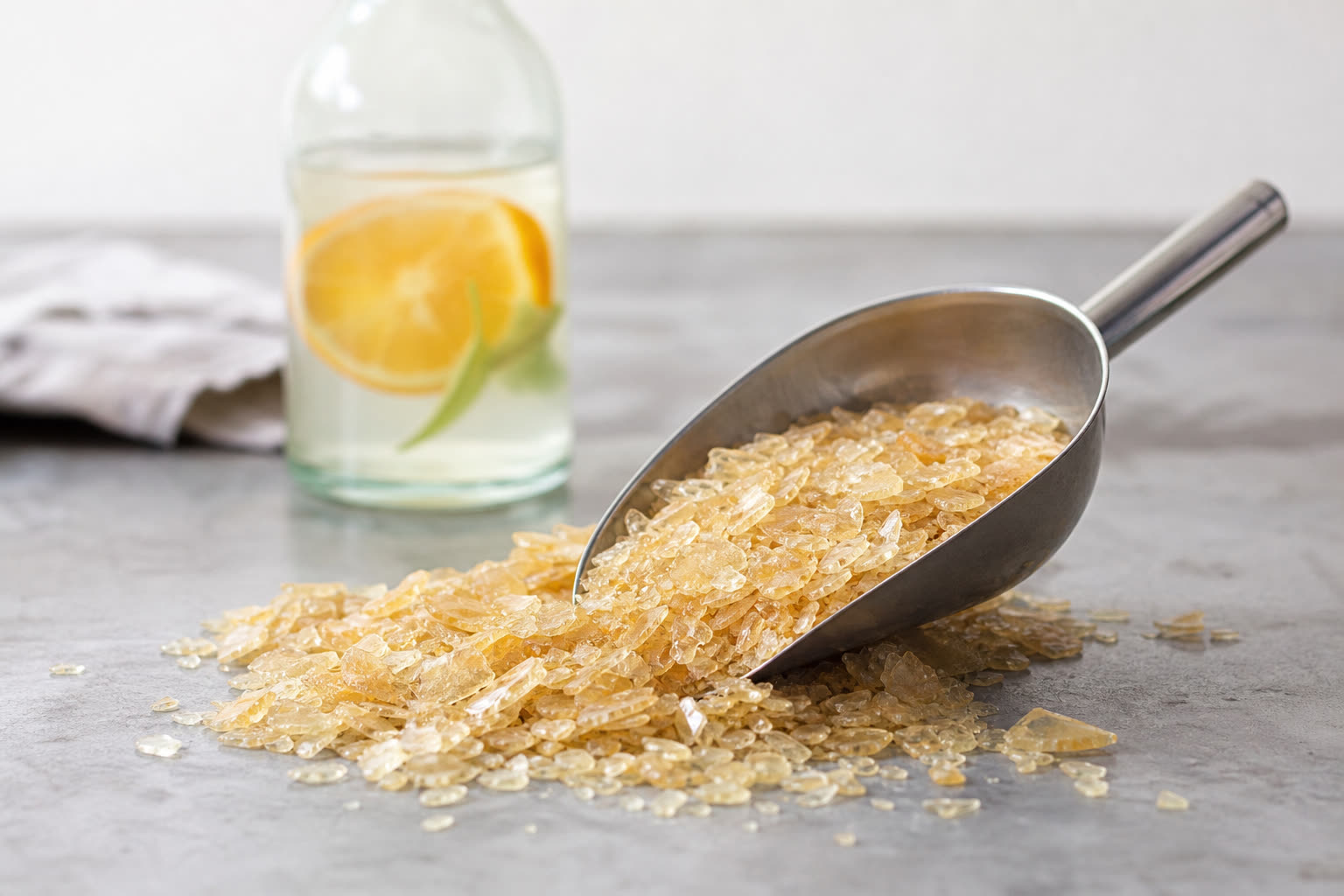
Ester Gum vs Glycerol Ester of Rosin: Industrial and Food Grade
Both ester gum and glycerol ester of gum rosin are reaction products of rosin acids with glycerol, but the purity, colour, and regulatory status required for food and beverage use are quite different from what industrial adhesive or coating applications demand.
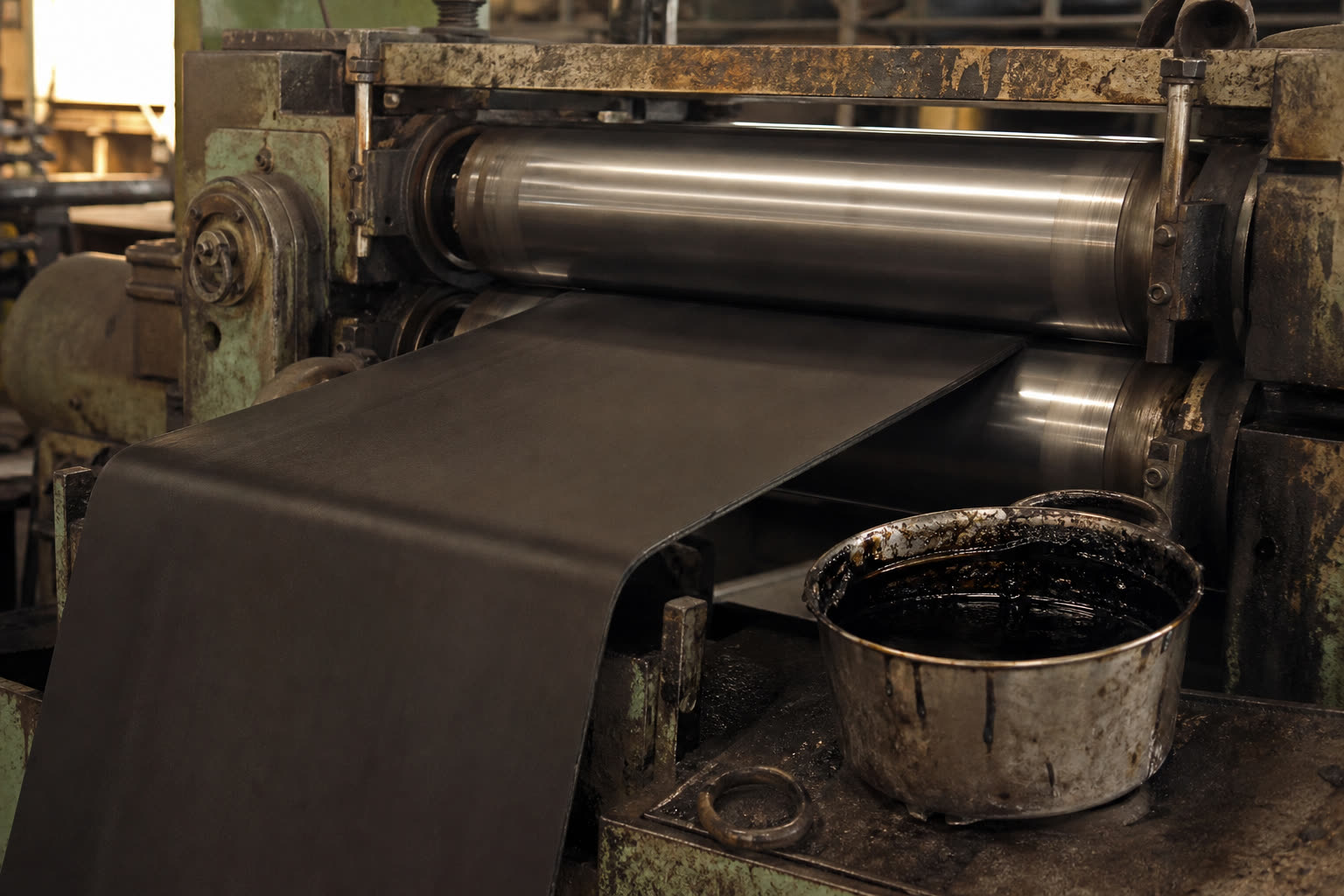
Pine Tar Oil in Rubber Processing, Wood Treatment and Veterinary Use
Pine tar oil has been used in rubber processing for generations, and it retains a strong position because of its unique combination of softening, dispersing, and antiseptic properties that petroleum-derived process oils do not replicate.
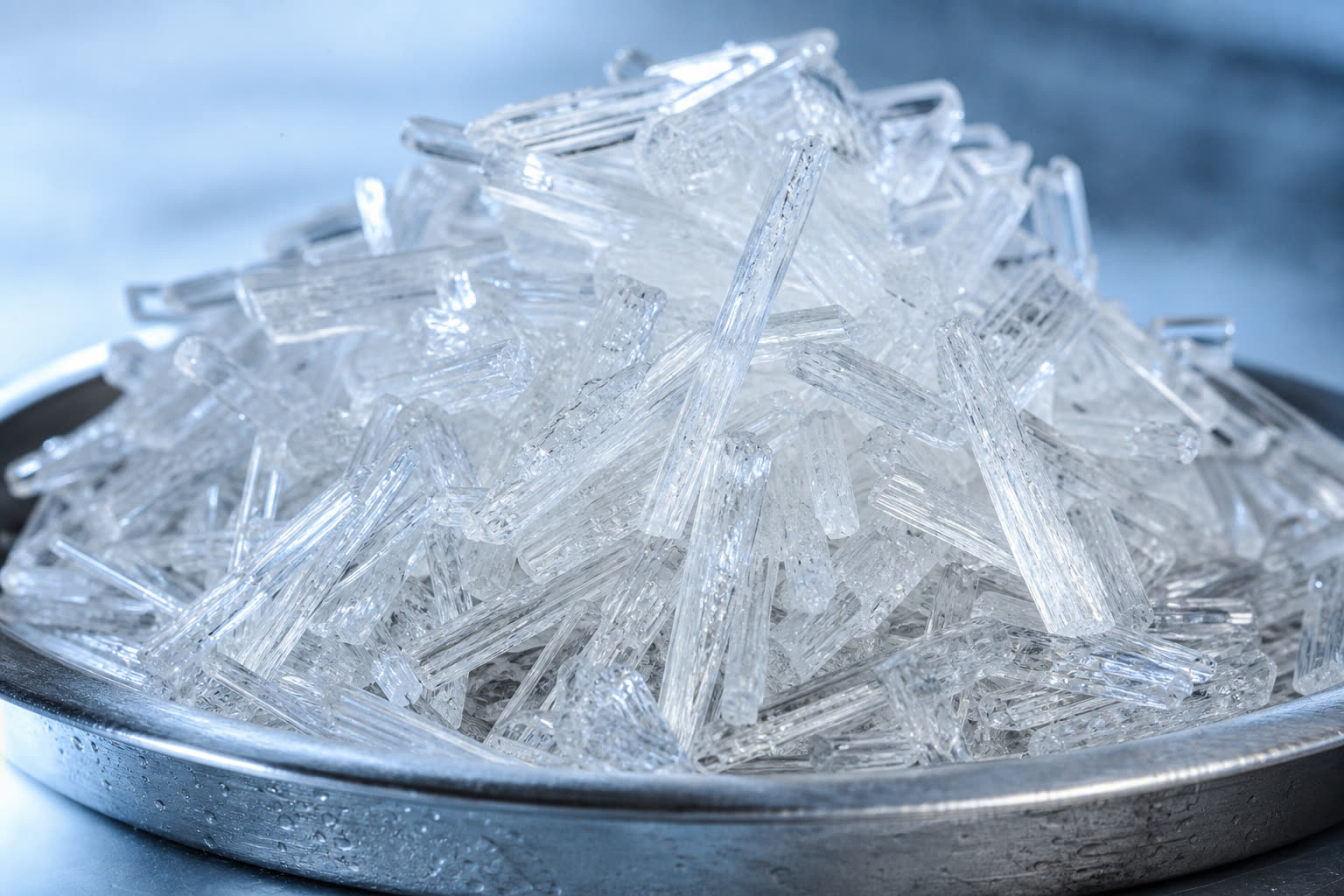
Menthol Bold vs Rice Crystals: Same Chemistry, Different Handling
Both bold and rice crystal menthol are l-menthol at high purity, but the physical form determines how easily they dissolve, dose, and handle in your process. Here is what procurement and formulation teams need to know.
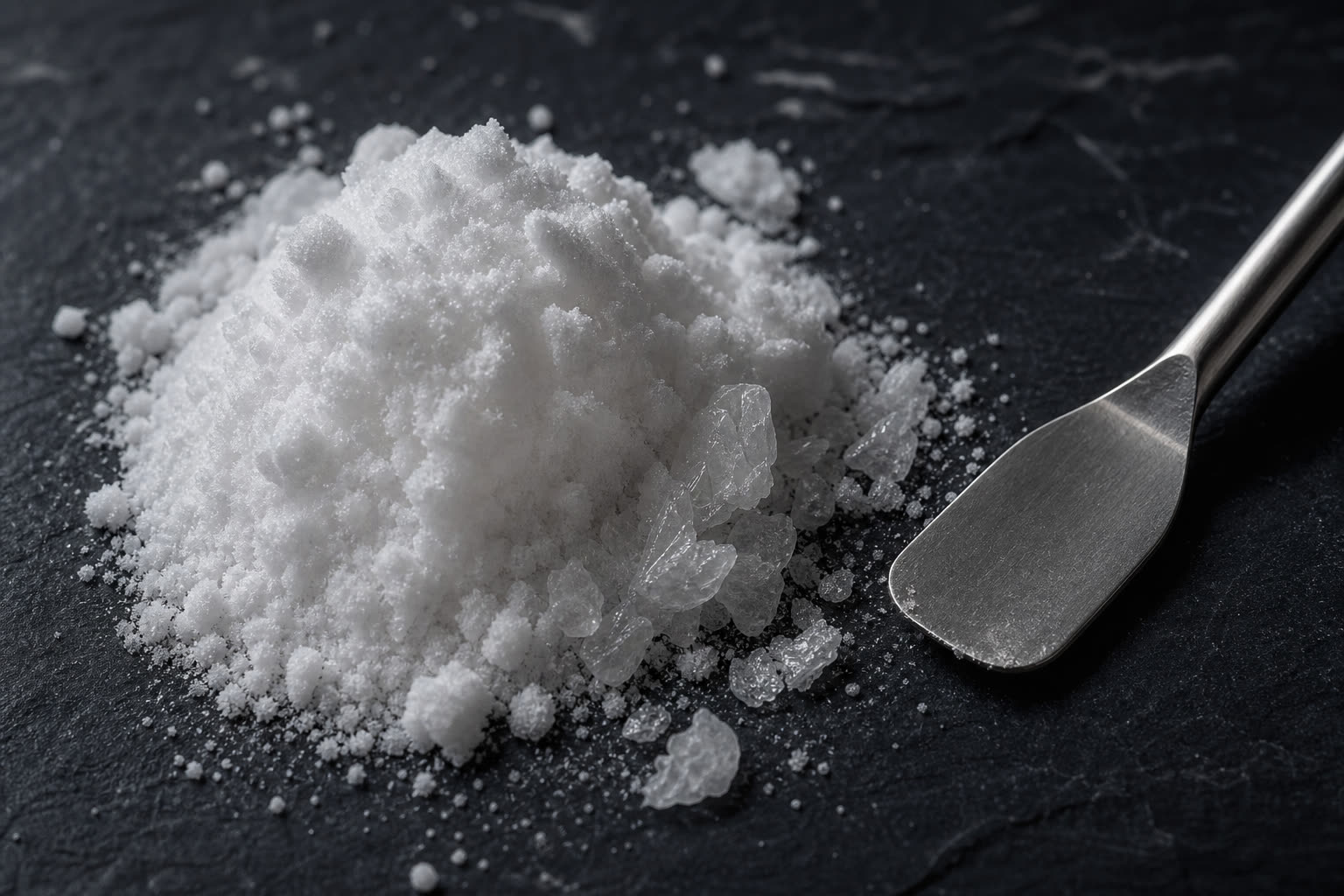
Camphor Derivatives Guide: Oils, Powder, Isoborneol, Camphene
Camphor and its precursors form a connected chain of pine-derived chemicals with applications in pharmaceuticals, cosmetics, rubber, and fragrance. This guide covers the chemistry and the commercial uses of each derivative.
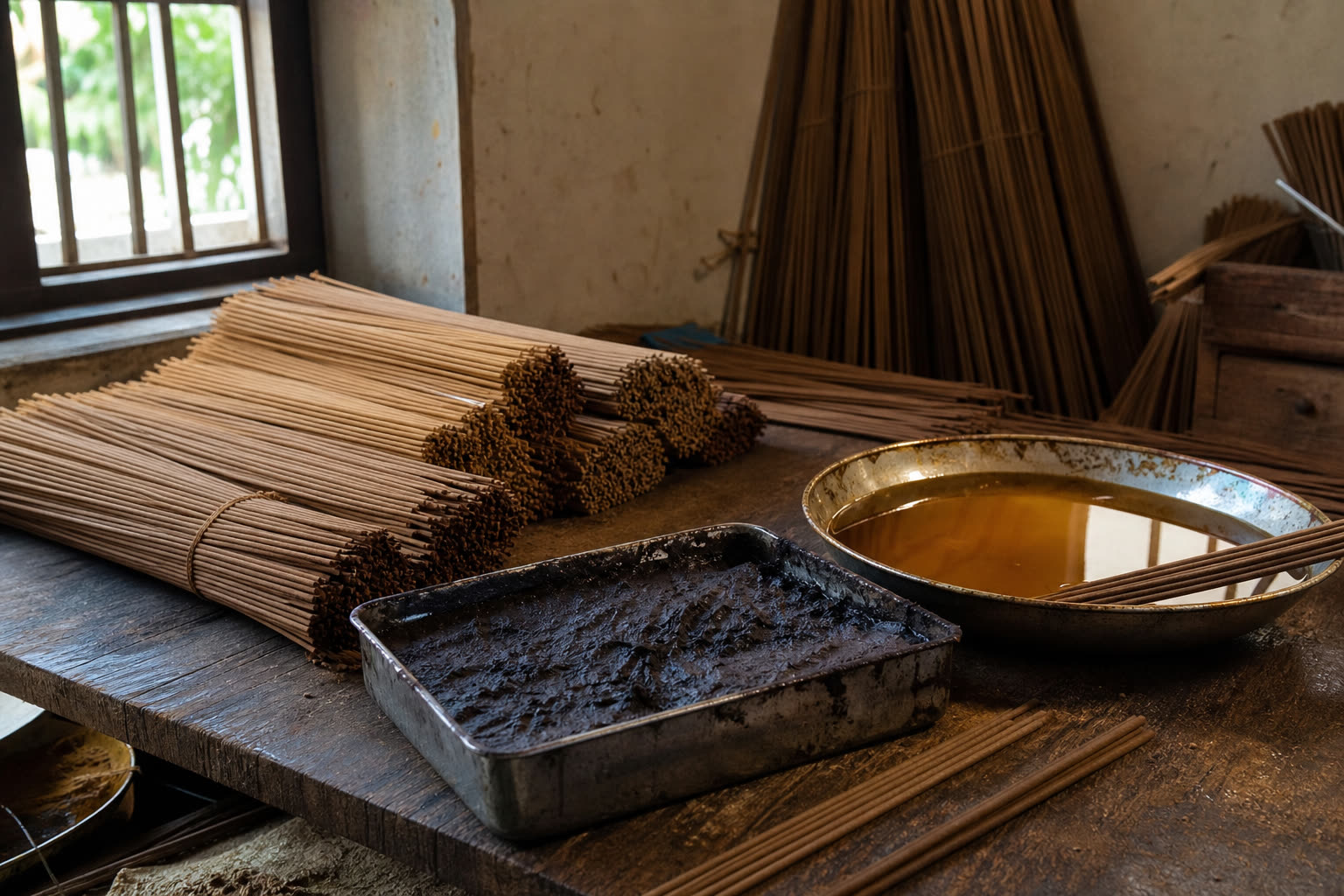
Fragrance Bases for Agarbatti: DHM Tops and Anthamber
Agarbatti and dhoop production depends on low-cost, stable aroma chemicals that hold fragrance during combustion. DHM tops, Anthamber tops, terpineol and camphor powder each fill a specific role.
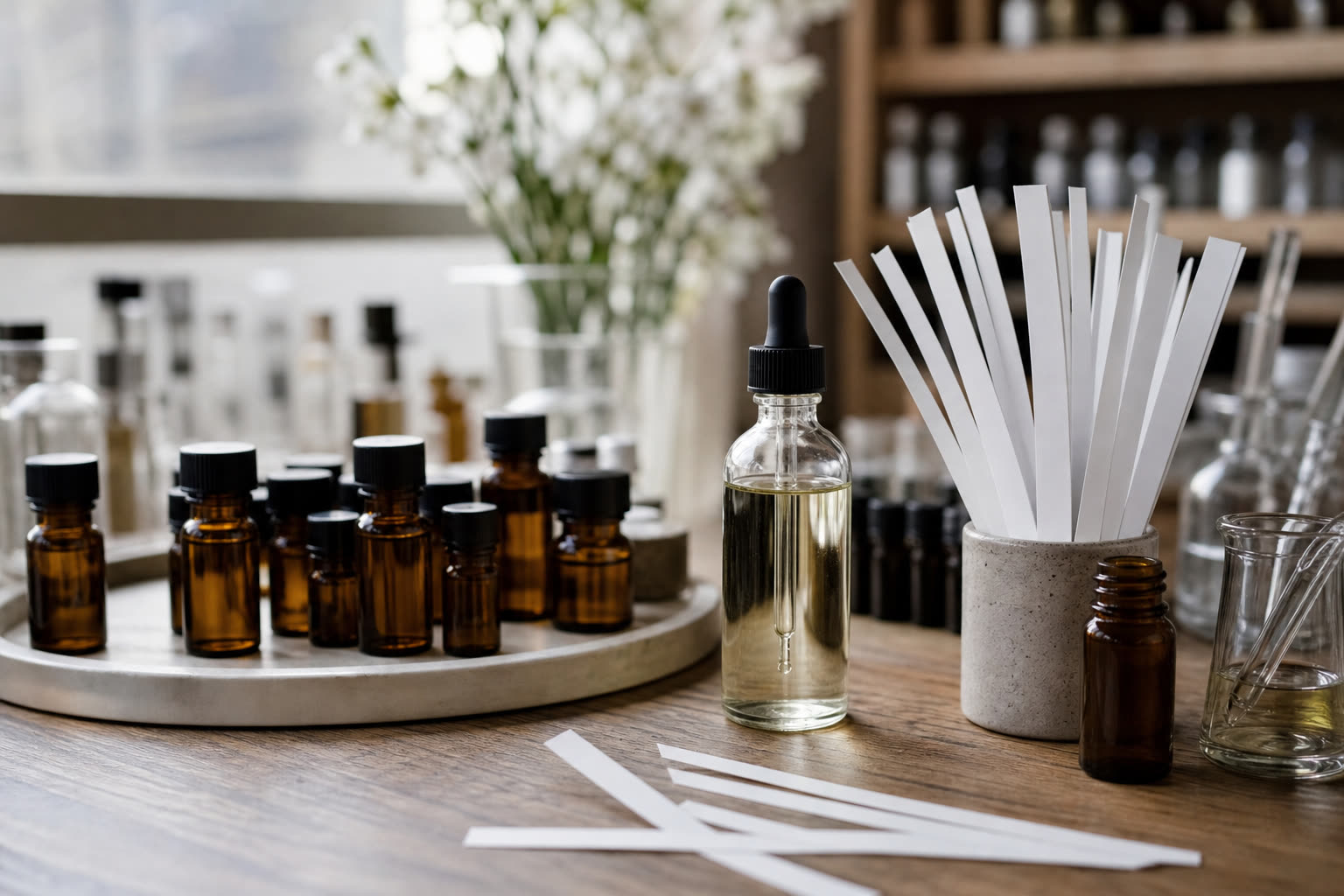
Terpineol Grades PG, EP, and Alpha: Which One to Buy
Terpineol is not a single product but a family of three grades with different purity levels and odour profiles. Choosing the wrong grade wastes money or causes formulation problems.
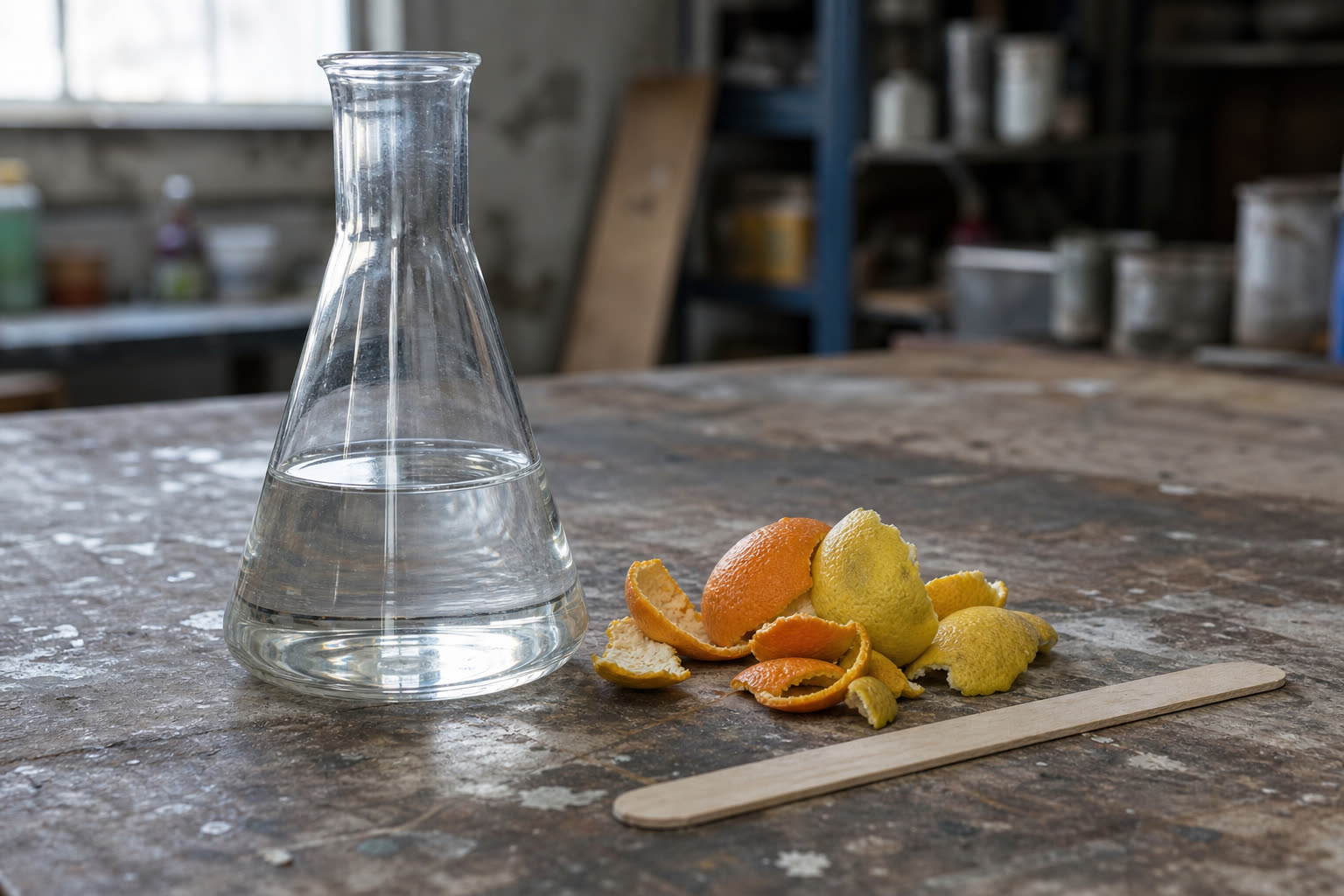
What Is Dipentene and Where Is It Used in Industry
Dipentene is the terpene hydrocarbon that results when turpentine is pyrolised or when crude pine fractions are processed. It is a capable solvent and a useful raw material across rubber, coatings, and cleaning product industries.
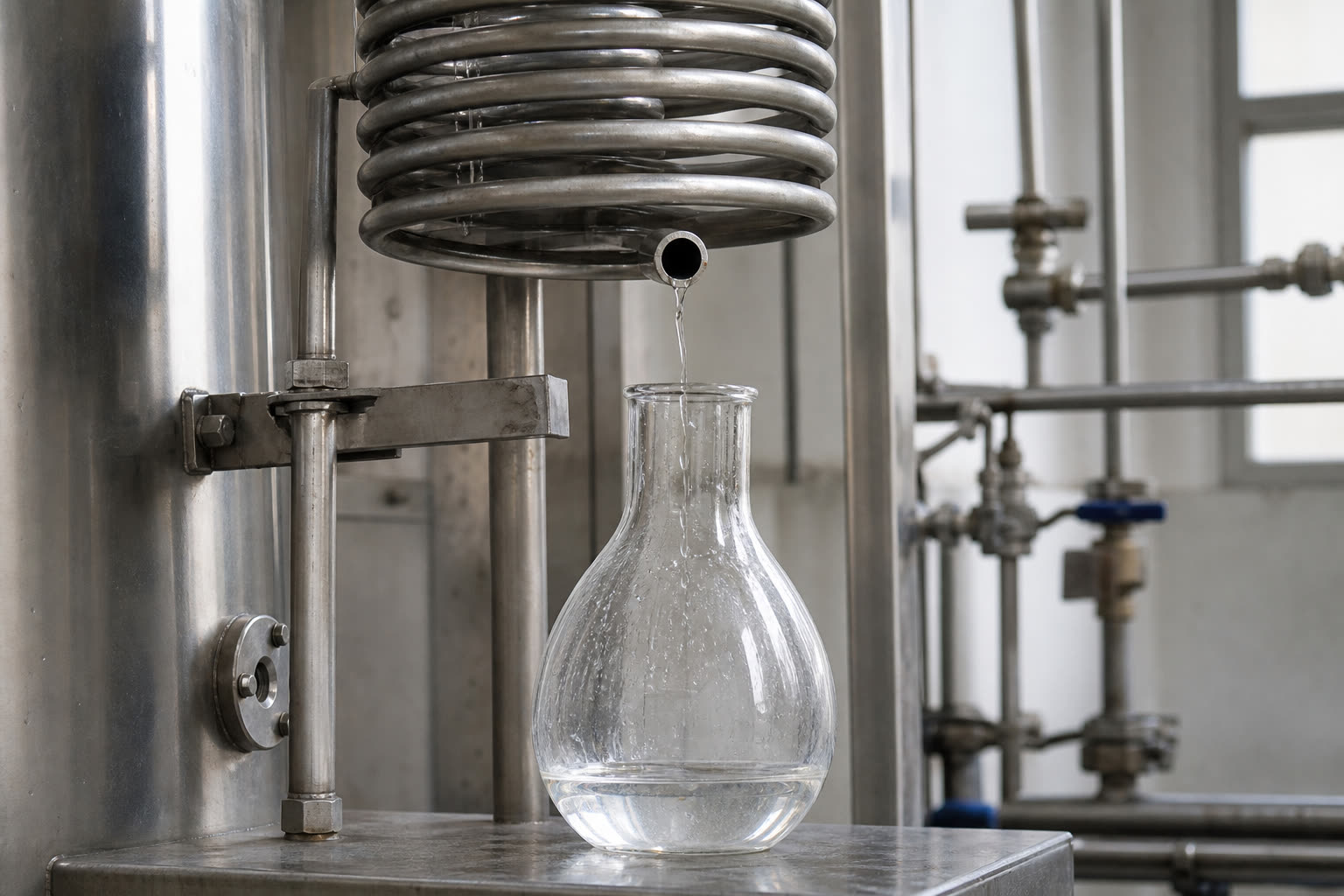
Gum Turpentine vs Double Distilled Turpentine: Key Differences
Gum turpentine and double distilled turpentine both come from pine oleoresin, but their purity, odour, and suitability for downstream processes differ meaningfully. This post explains when each grade is the right choice.
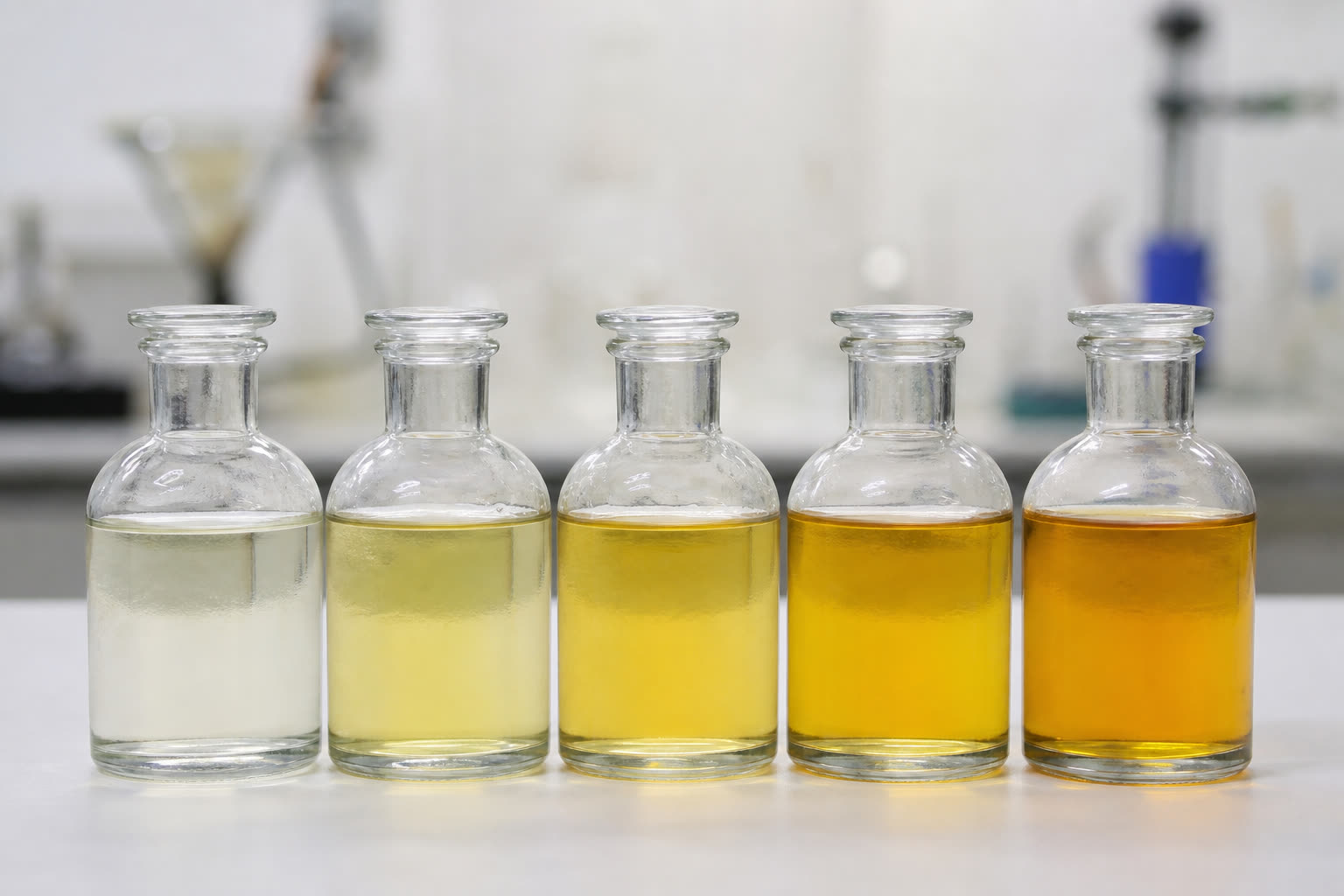
Pine Oil Grades 22% to 85%: Which Grade Fits Your Use
Pine oil purity is defined by its terpineol content, and choosing the wrong grade means paying too much or getting poor performance. Here is a practical breakdown of the five standard grades and where each one belongs.
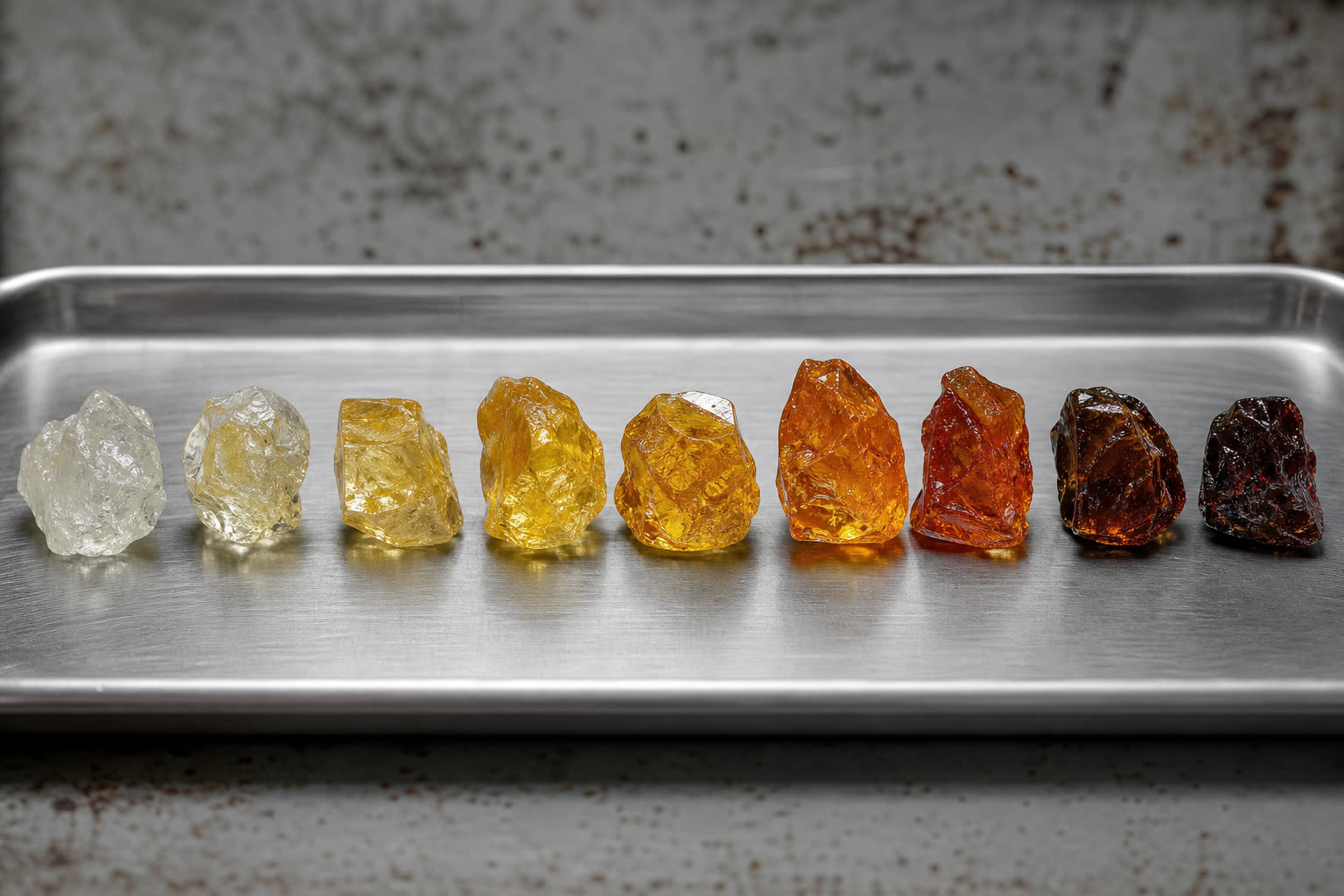
Gum Rosin Grades Explained: WW to K Colour Scale
Gum rosin is graded by colour, and that colour tells you more than aesthetics. This guide walks through all nine grades from WW to K and matches each to its typical industrial application.

Indian Pine Chemicals Industry: What Buyers Should Know
The pine chemicals industry converts crude pine oleoresin and wood pulping by-products into a family of resins, terpenes and aroma chemicals used across adhesives, fragrance, flavour, pharmaceuticals, rubber and mineral processing. India is both a producer and a substantial importer, occupying a specific niche in a global market dominated by China, Brazil and Indonesia.
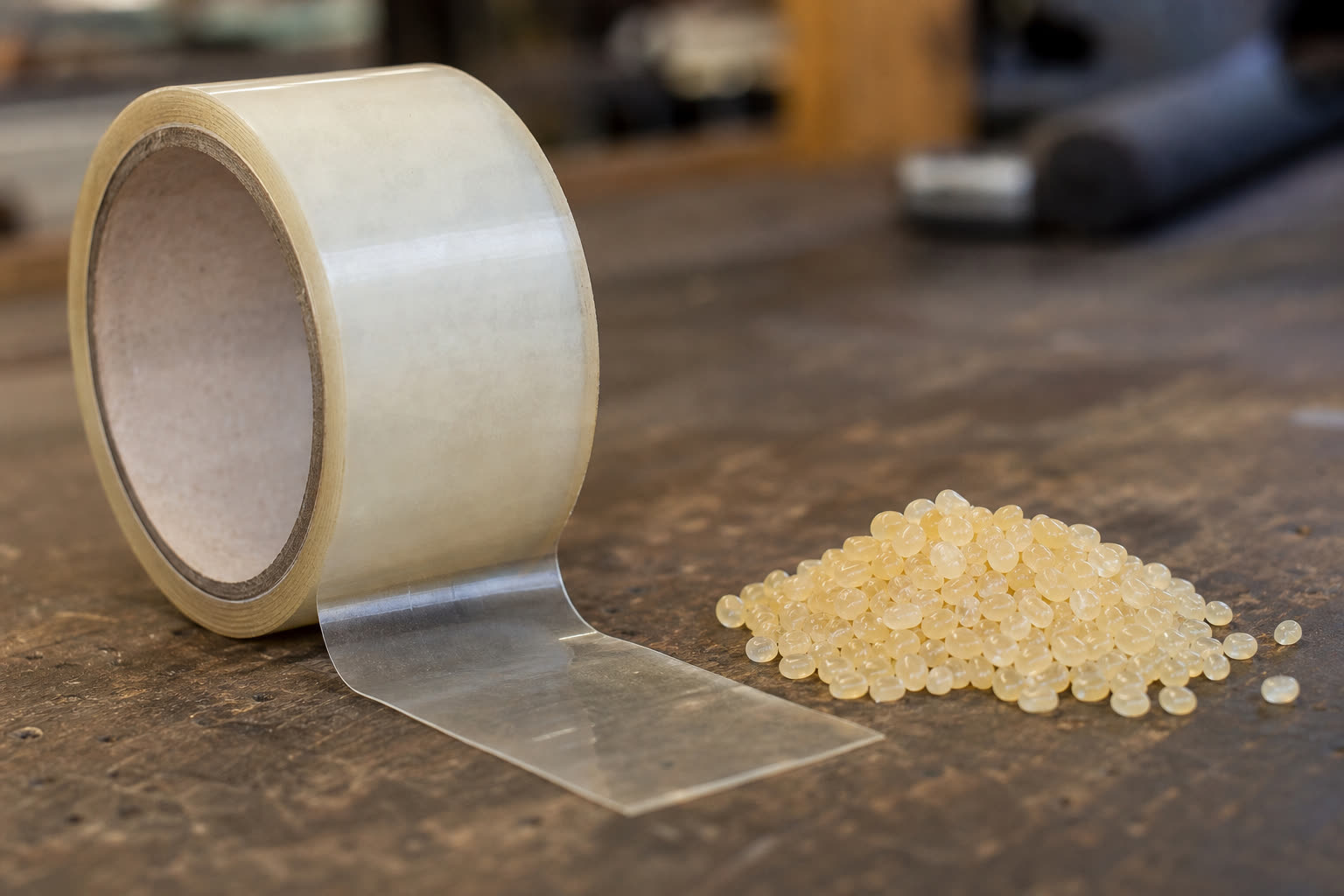
Rosin Esters as Tackifiers in Adhesives
Rosin esters are the most widely used tackifying resins in pressure sensitive adhesives (PSAs) and hot melt adhesives. Produced by esterifying gum rosin with glycerol, pentaerythritol or other polyols, they raise the glass transition temperature of elastomer-based adhesive blends, increasing immediate tack and peel strength in labels, tapes and hygiene products.
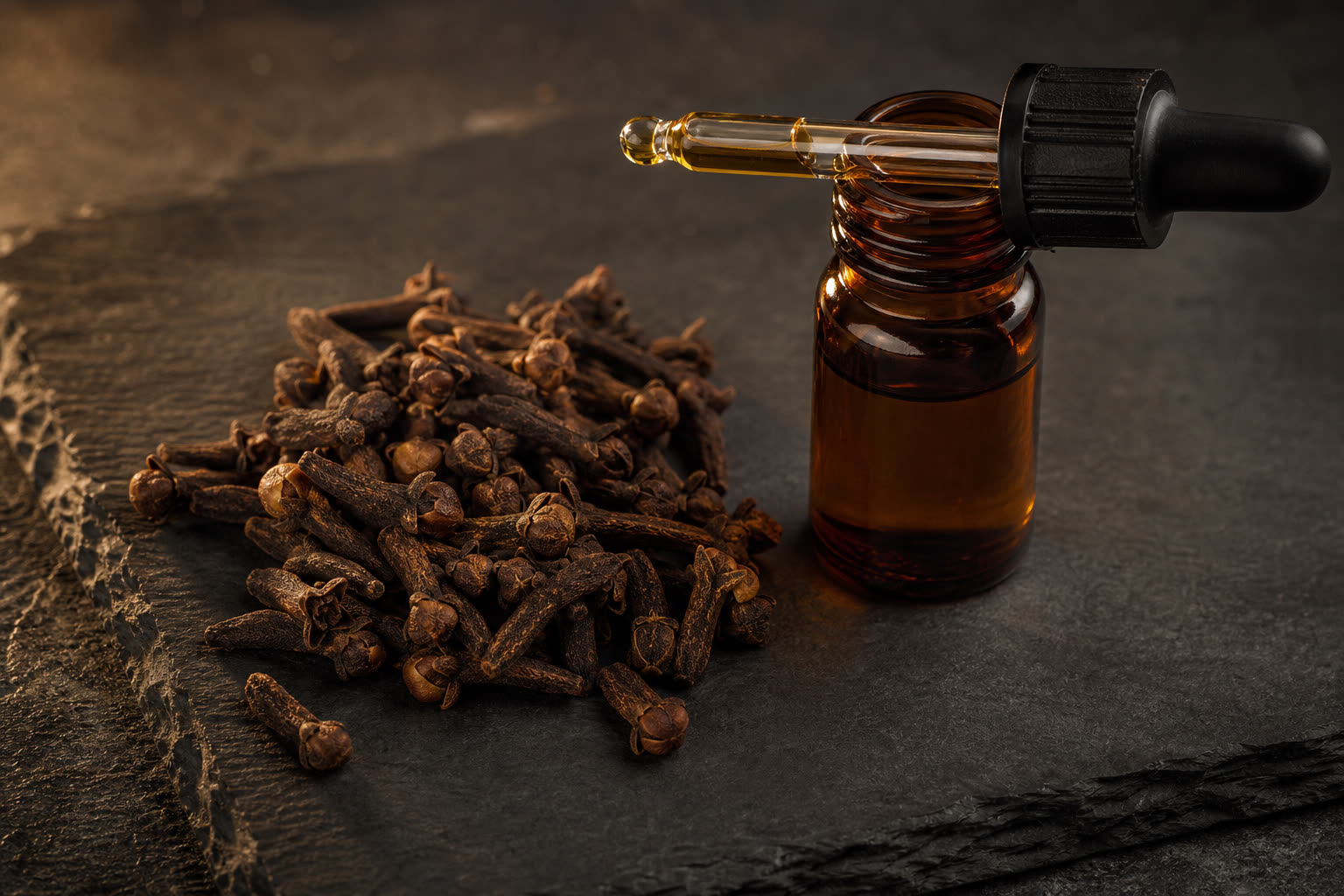
Clove Oil and Eugenol: Dental, Flavour and Fragrance
Clove oil is the steam-distilled essential oil from the flower buds of Syzygium aromaticum. Its primary constituent, eugenol, is a phenylpropanoid compound that accounts for 75-88% of genuine bud oil by European Pharmacopoeia specification. This high eugenol content drives the oil's roles in dental analgesia, flavour, fragrance and as a chemical intermediate.
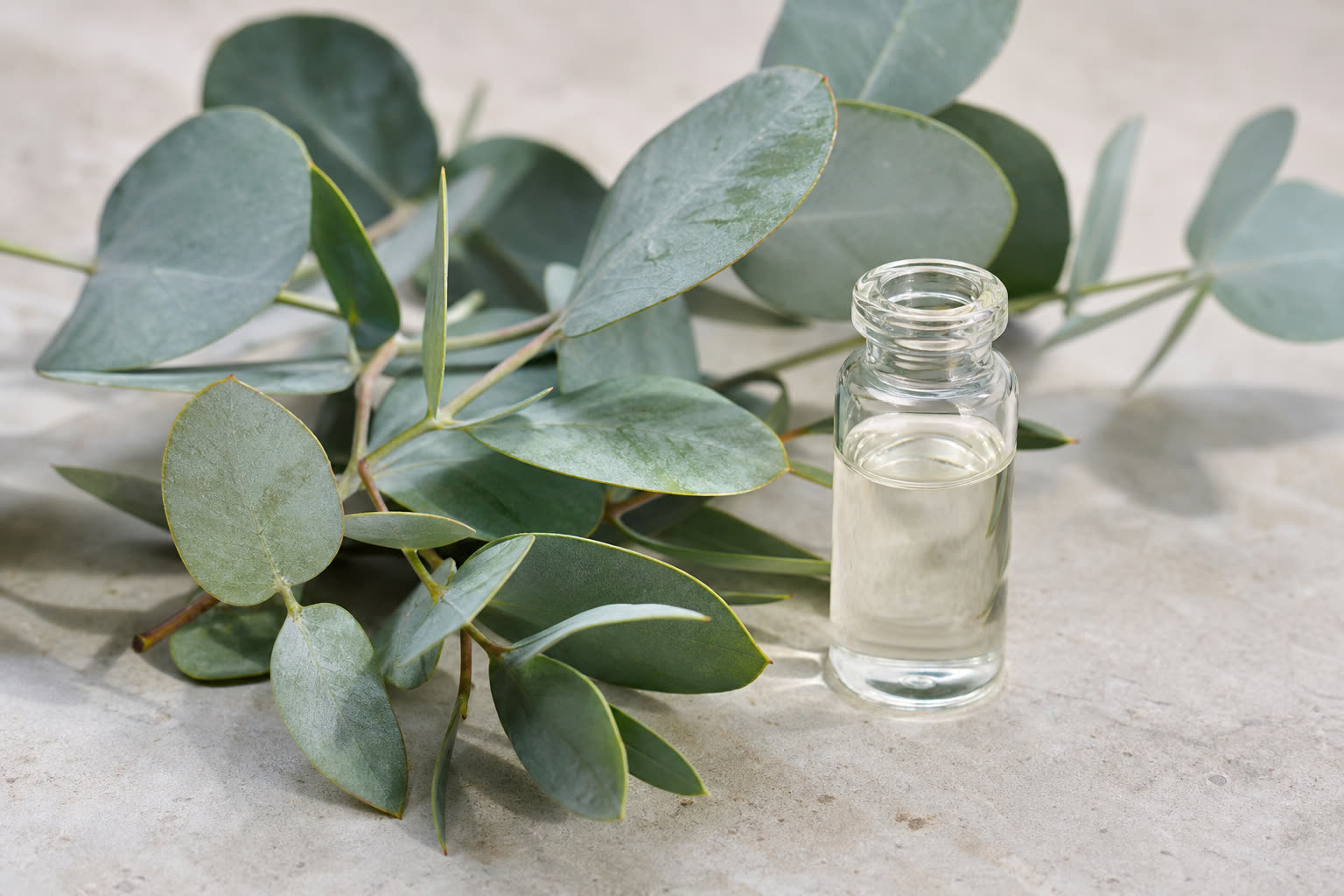
Eucalyptol vs Eucalyptus Oil: Specs and Uses
Eucalyptol and eucalyptus oil are related but distinct products. Eucalyptus oil is the steam-distilled essential oil from Eucalyptus leaves, containing 70-95% eucalyptol (1,8-cineole) alongside other terpenes. Eucalyptol is the purified compound, typically 99%+ purity, isolated by fractional distillation of eucalyptus oil. The choice between them depends on the application and specification requirements.
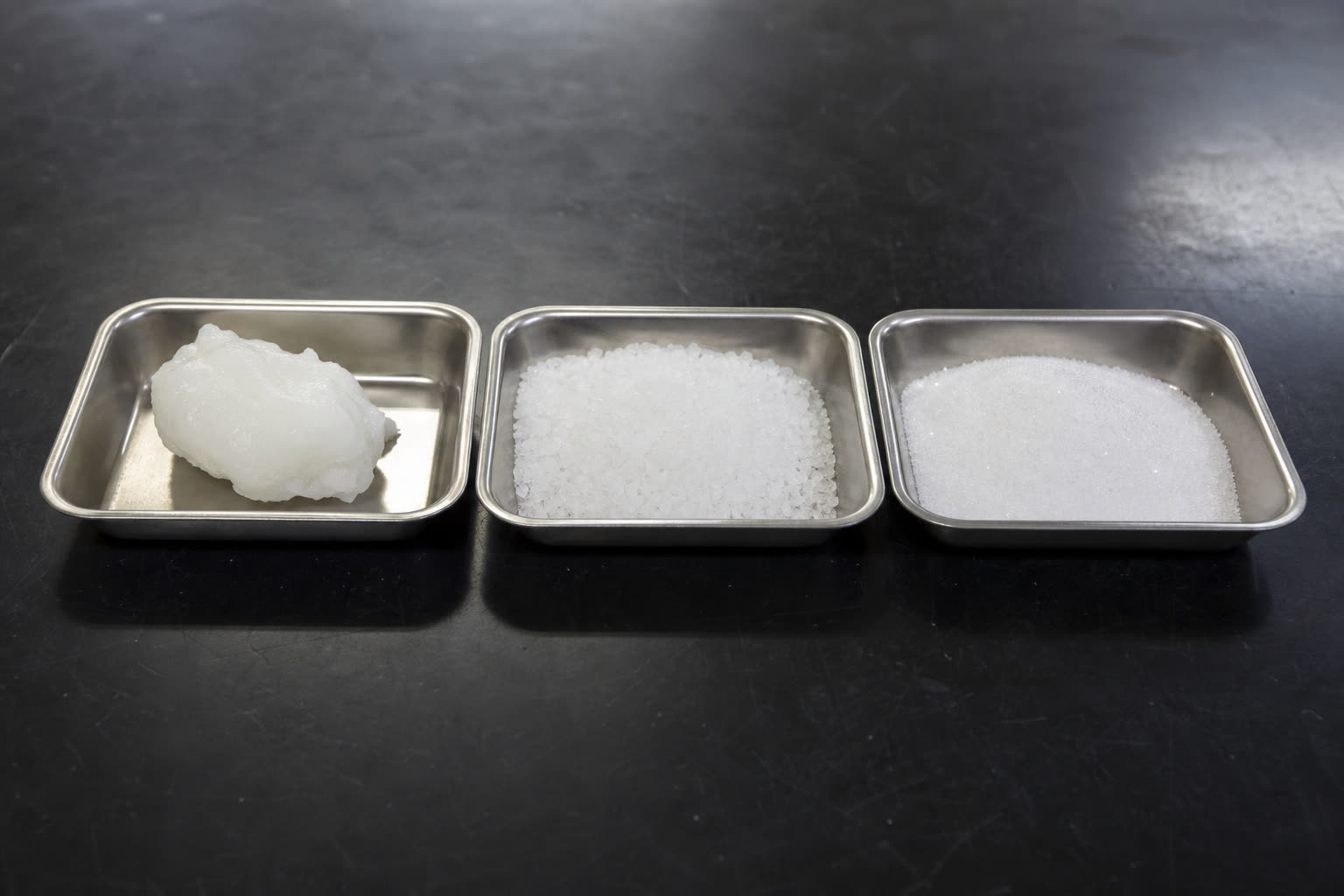
Pinene to Camphor: Camphene and Isoborneol Route
Synthetic camphor is produced from alpha pinene through a three-stage sequence: isomerisation of alpha pinene to camphene, conversion of camphene to isoborneol, and dehydrogenation of isoborneol to camphor. This terpene chemistry chain is one of the most important industrial routes in the pine chemicals sector, and each intermediate has commercial value in its own right.
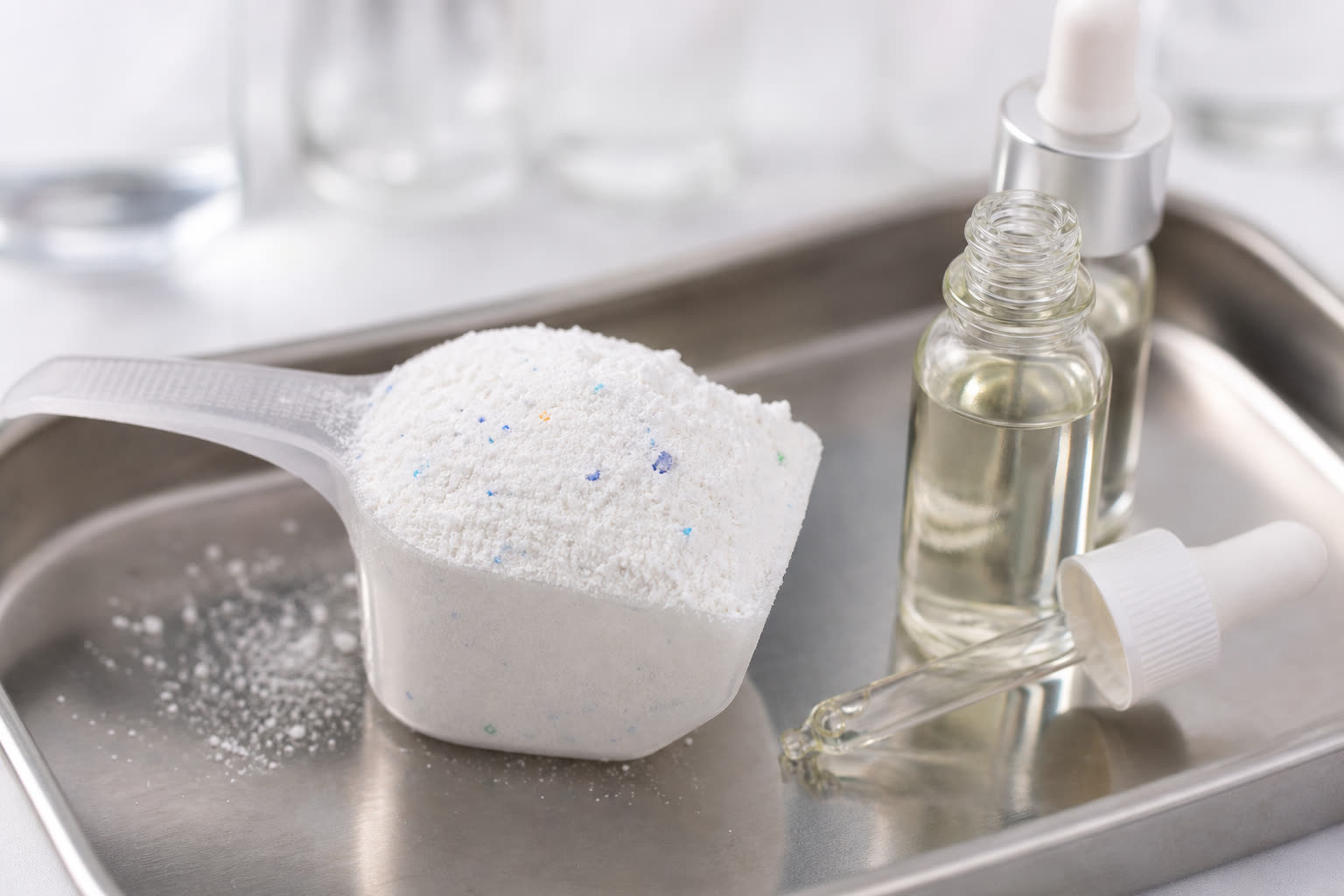
Dihydromyrcenol in Detergents: Why DHM Dominates
Dihydromyrcenol, often abbreviated to DHM, is a synthetic terpene alcohol with a sharp, metallic lime-citrus odour that has become one of the most widely used ingredients in laundry detergent and hard-surface cleaner fragrances. It is made from beta pinene via pyrolysis to myrcene followed by hydrogenation and acid-catalysed hydration.
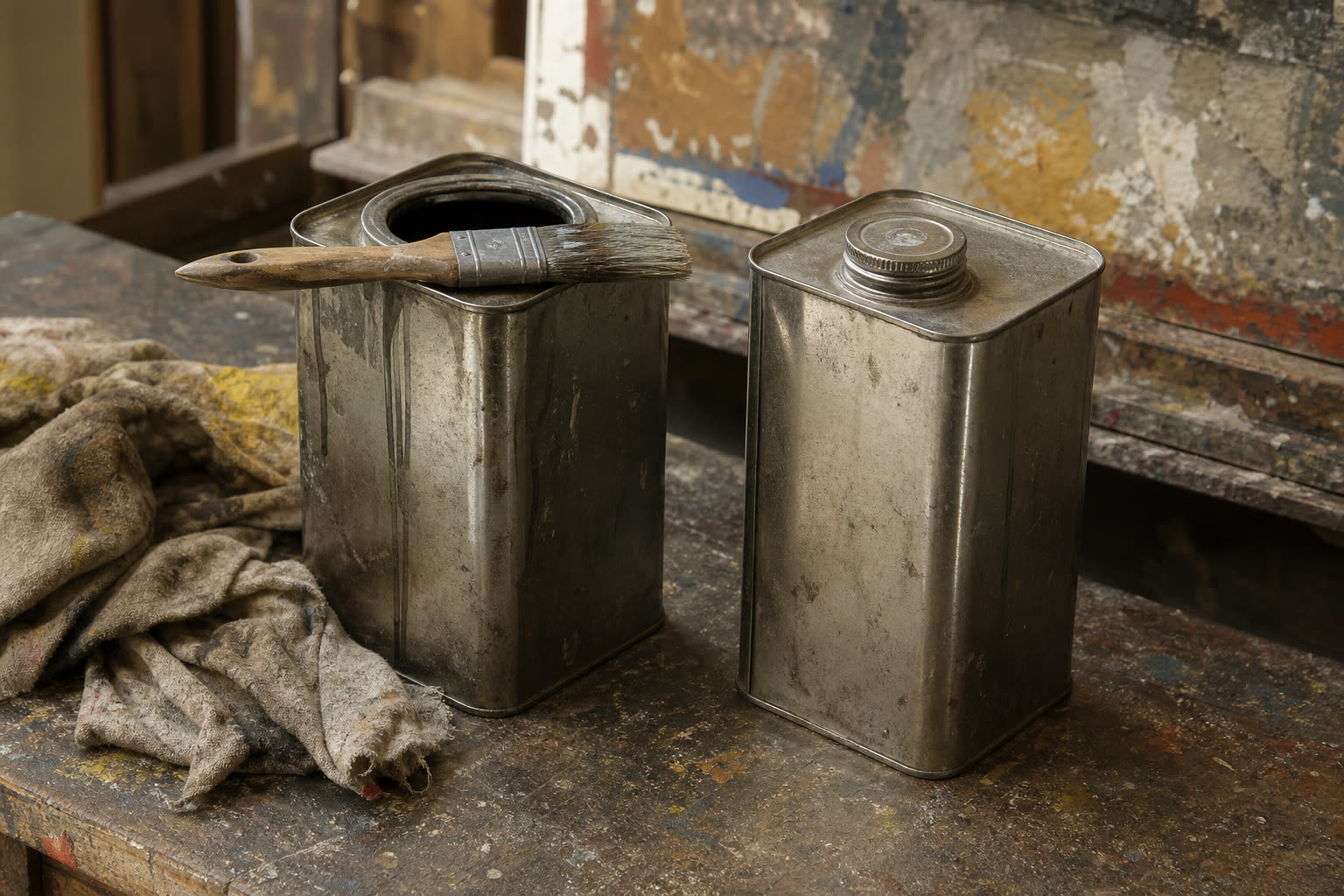
Turpentine vs Mineral Turpentine: Key Differences
Turpentine and mineral turpentine are both clear, flammable solvents sold into similar markets, but they come from completely different sources. Real turpentine is a terpene hydrocarbon mixture steam-distilled from pine oleoresin or wood. Mineral turpentine is a petroleum distillate, essentially a light white spirit. The distinction matters because the two solvents behave differently in formulations and have different regulatory profiles.
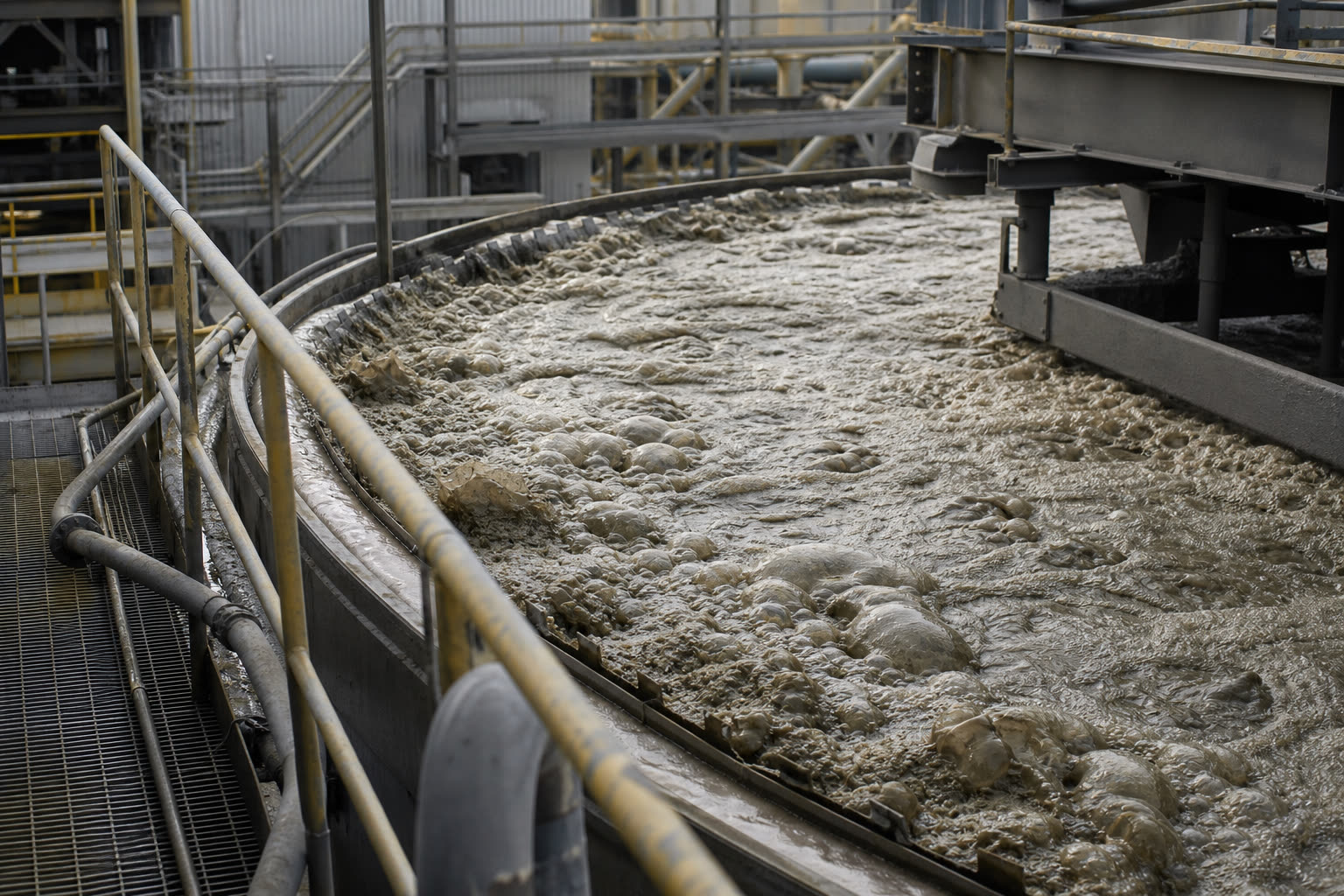
Pine Oil as a Flotation Frother: Grade and Dosing
Pine oil is one of the oldest and most reliable frothers used in mineral froth flotation. It stabilises air bubbles in the flotation pulp, reduces coalescence and allows hydrophobic mineral particles to attach and rise to the surface. Grades between 45% and 65% alpha terpineol content are most commonly specified for this duty.
Alpha vs Beta Pinene: Chemistry, Uses and Which to Buy
Alpha pinene and beta pinene are the two principal monoterpene hydrocarbons in turpentine. They share the molecular formula C10H16 but differ in the position of their carbon-carbon double bond, which changes their reactivity, odour and the downstream products each can yield.
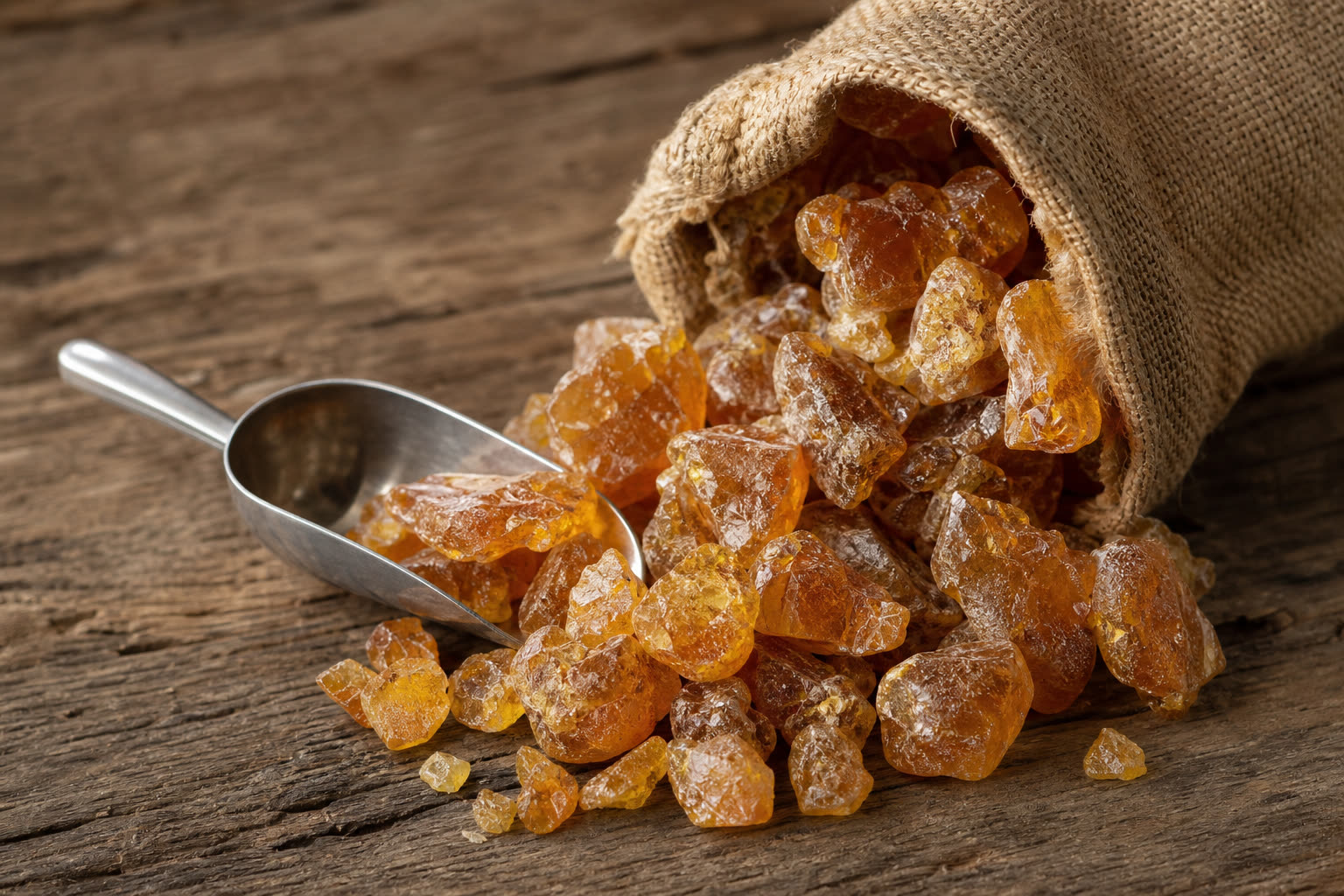
Gum Rosin: What It Is, How It Is Made and Its Uses
Gum rosin is the amber, brittle solid obtained when turpentine vapour is driven off from raw pine oleoresin. It is one of the oldest industrial resins, and it remains central to adhesives, printing inks, paper sizing, rubber compounding and a dozen other sectors.
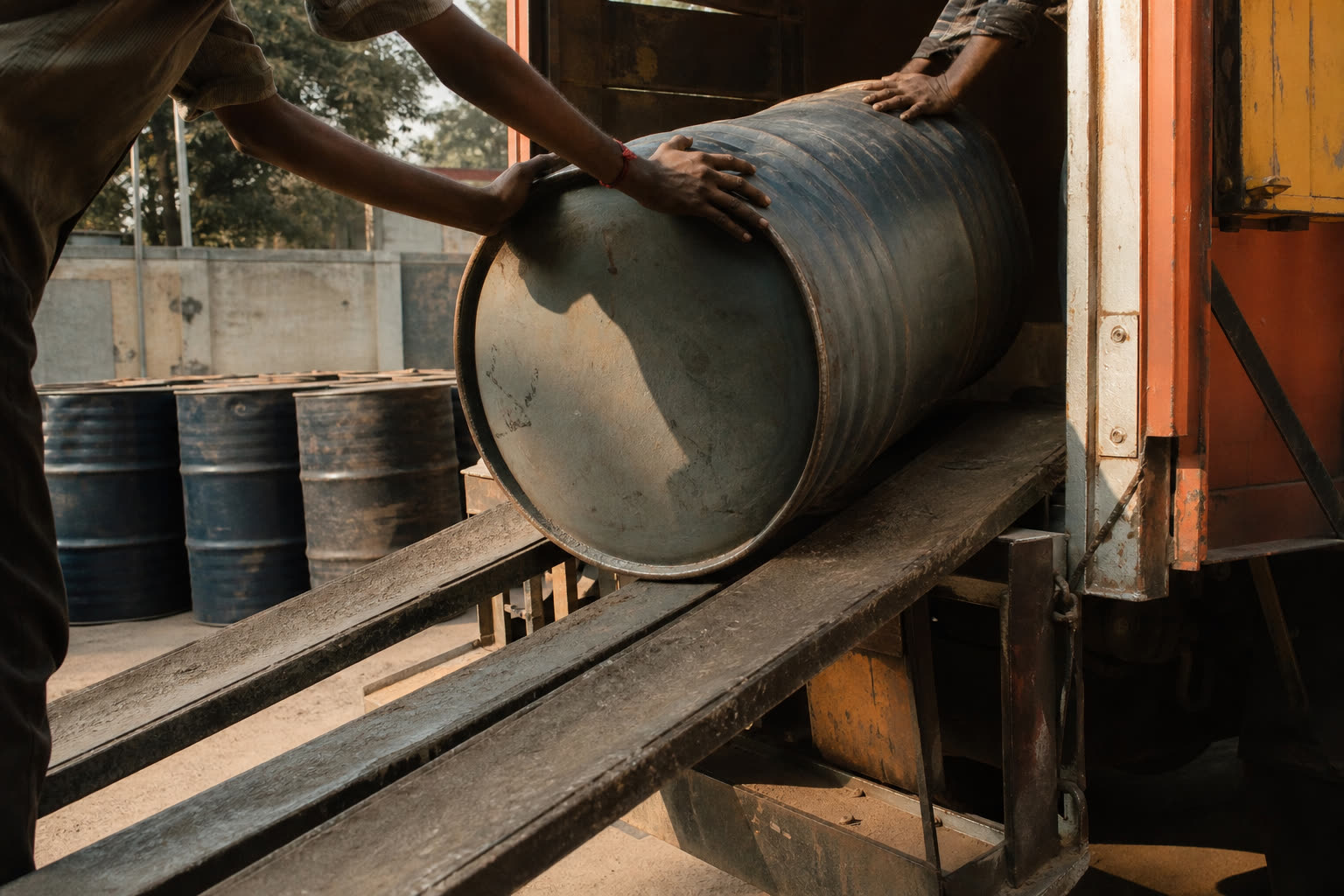
Buy Turpentine Oil in India: A B2B Buyer's Guide
A procurement checklist for turpentine: what a credible Indian supplier looks like, the documents to demand, the tests to run on arrival, and how packing and export terms should be structured.
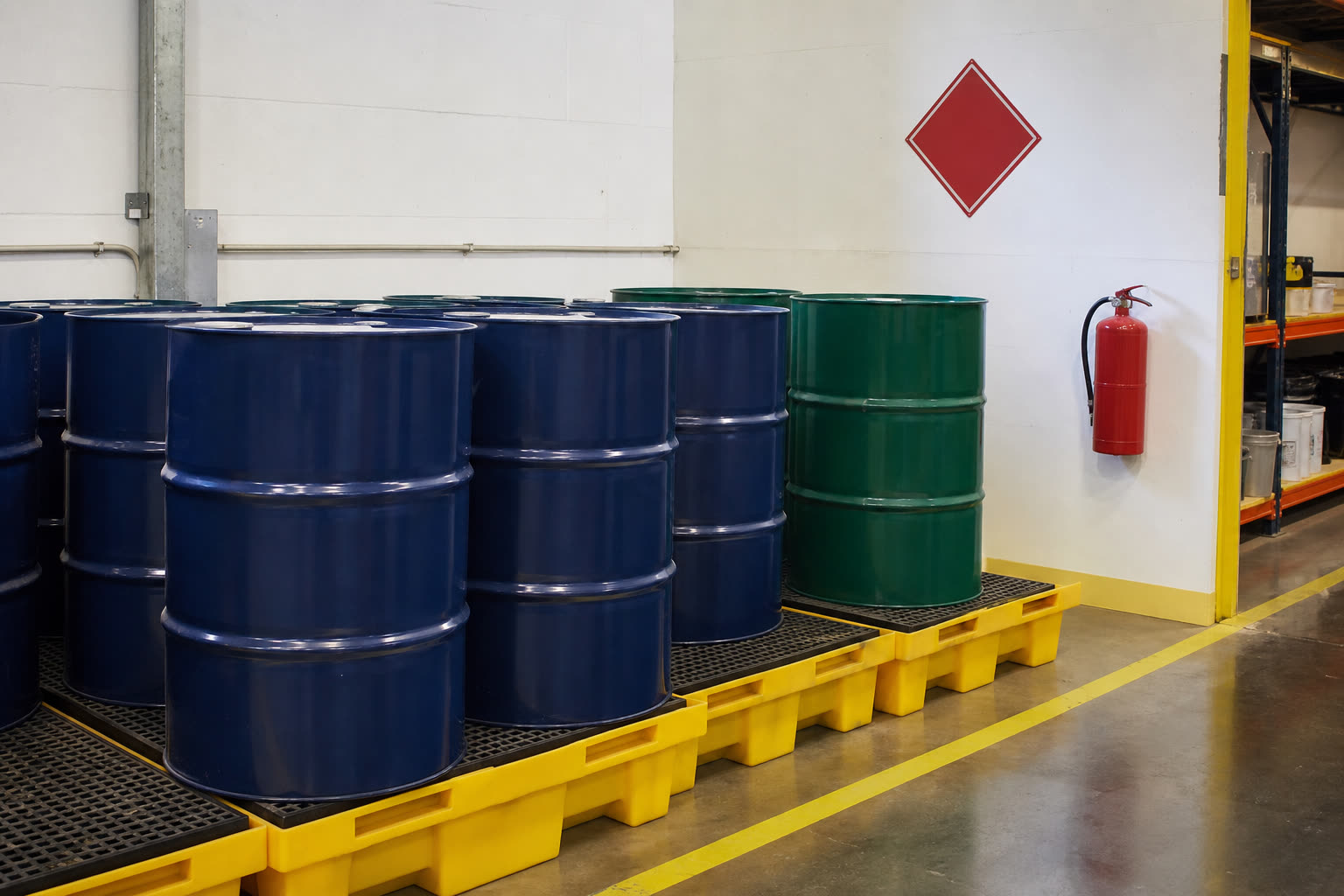
Turpentine Storage and Safety: UN 1299 Handling Guide
Turpentine is a manageable Class 3 flammable liquid if the basics are respected. Flash point, static control, drum store layout, oxidation and shelf life, and what to read first on the SDS.
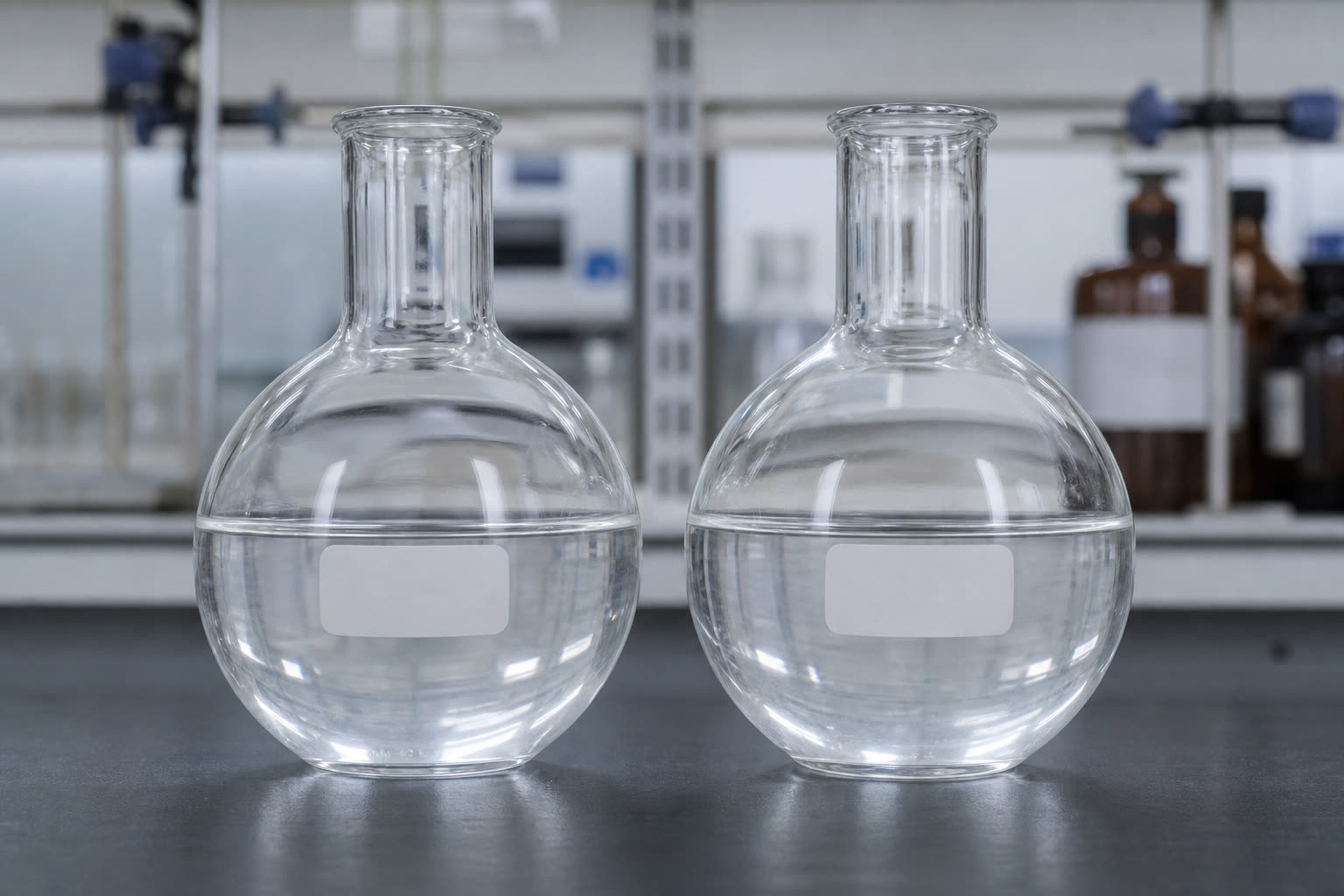
Alpha-Pinene Content in Turpentine Oil, Explained
One number on the COA does most of the work: alpha-pinene by GC. Here is why it decides value, how origin and species move it, and what the jump from 60-70 to 70-80 percent changes downstream.
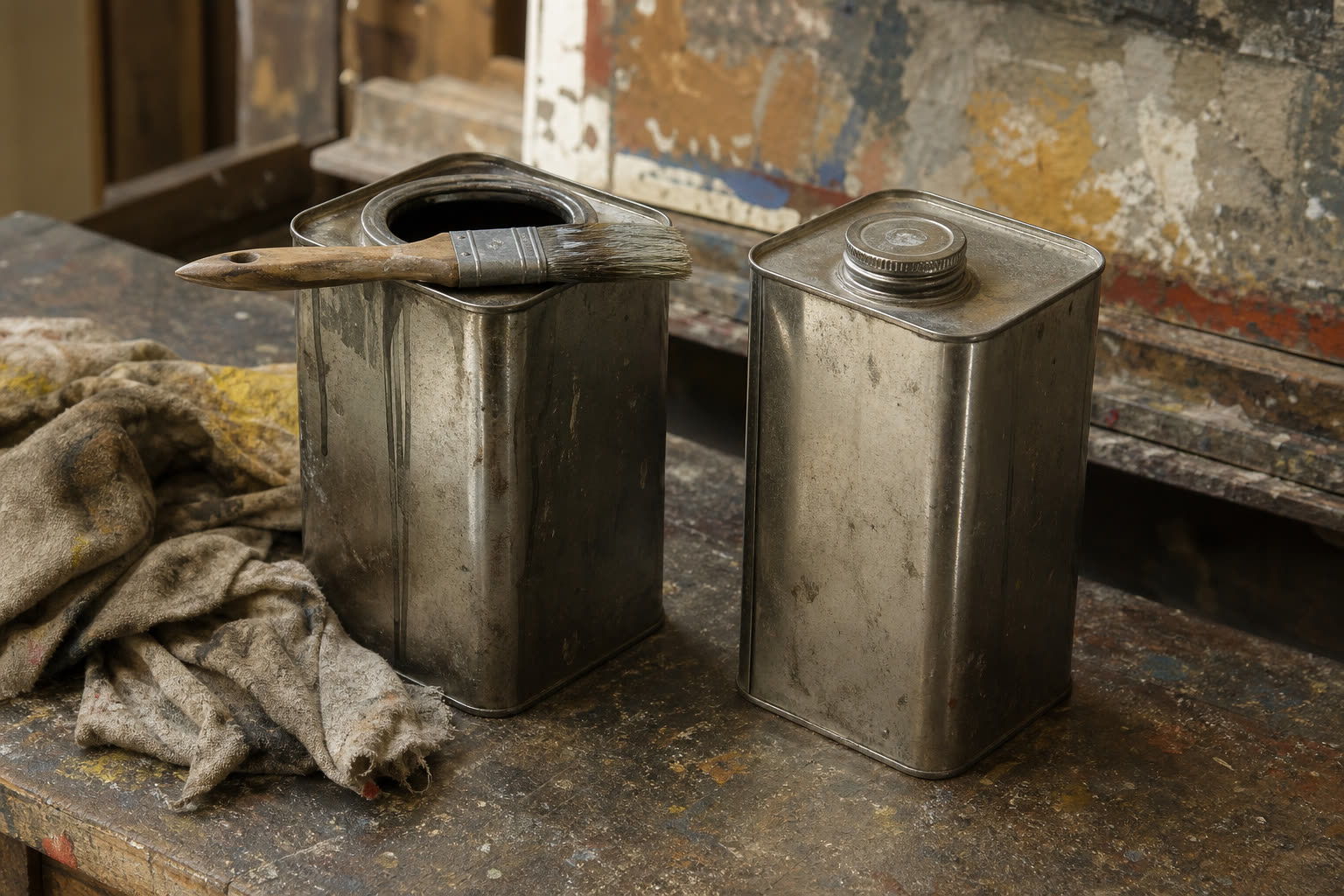
Choosing a Paint Thinner: Turpentine, DD or Dipentene
Four thinners cover almost every oil based coating job. This guide compares gum turpentine, DD turpentine, dipentene and mineral spirits on solvency, evaporation, odour, residue and cost, then maps each to its best use.
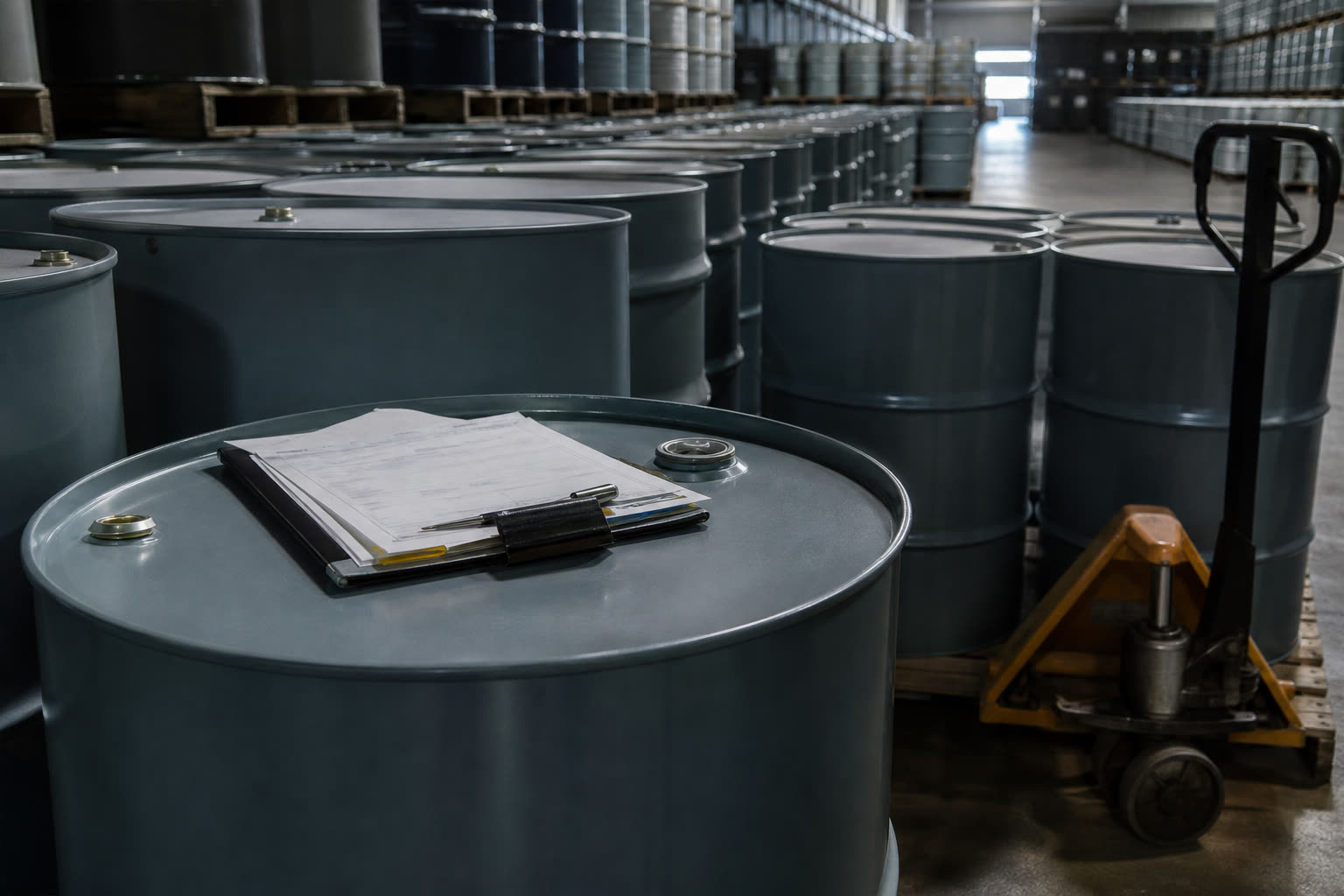
Turpentine Oil Price Factors: What Moves the Market
Turpentine pricing is chained to rosin, weather and pulp mills. A buyer's guide to the six forces that move the market, and how to structure purchasing around them.
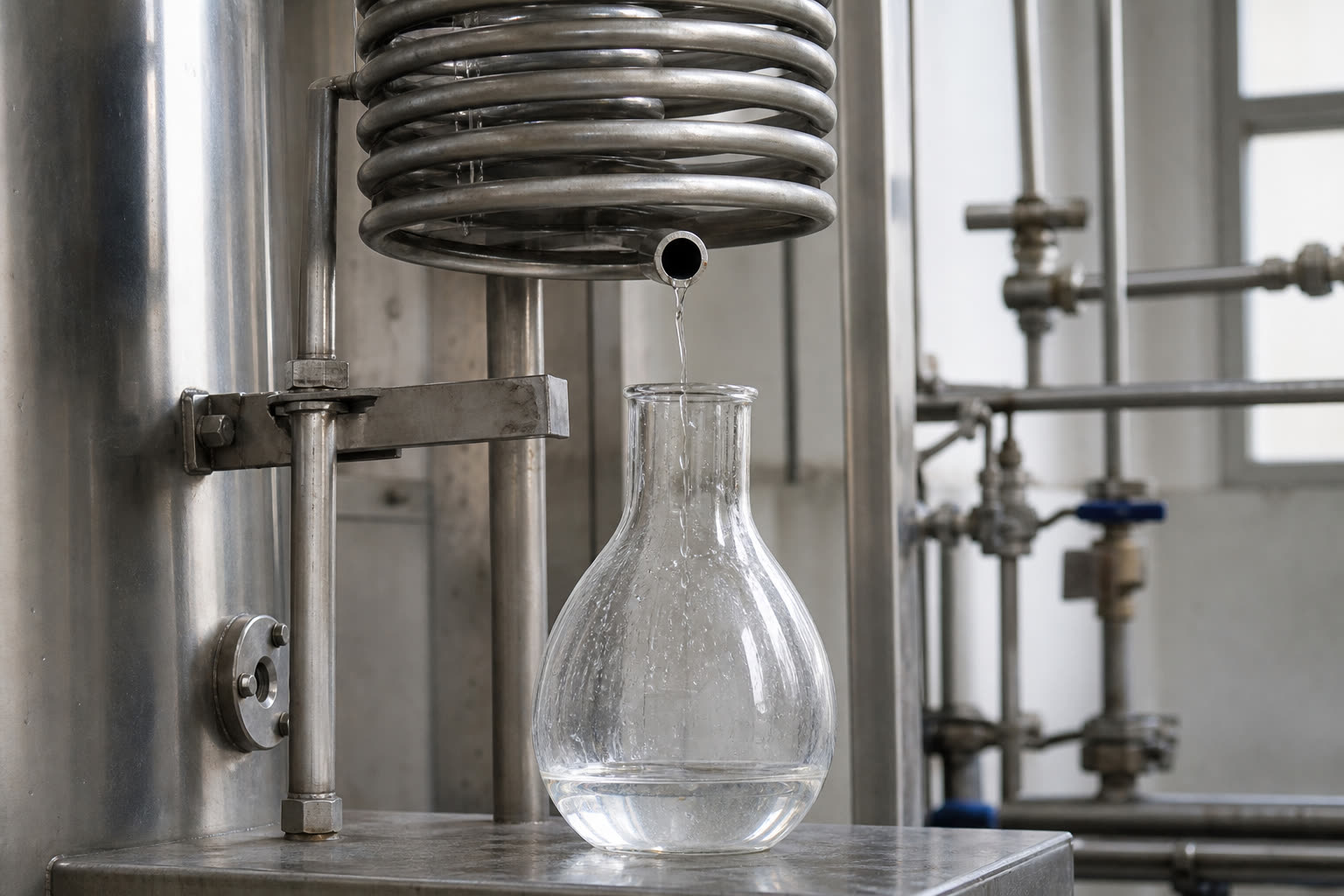
How Turpentine Is Distilled: From Pine Tap to Drum
From a streak cut in pine bark to a 200 litre barrel of water white oil, here is the full production chain: tapping, oleoresin cleaning, steam distillation, the rosin split and the second distillation that defines DD grade.
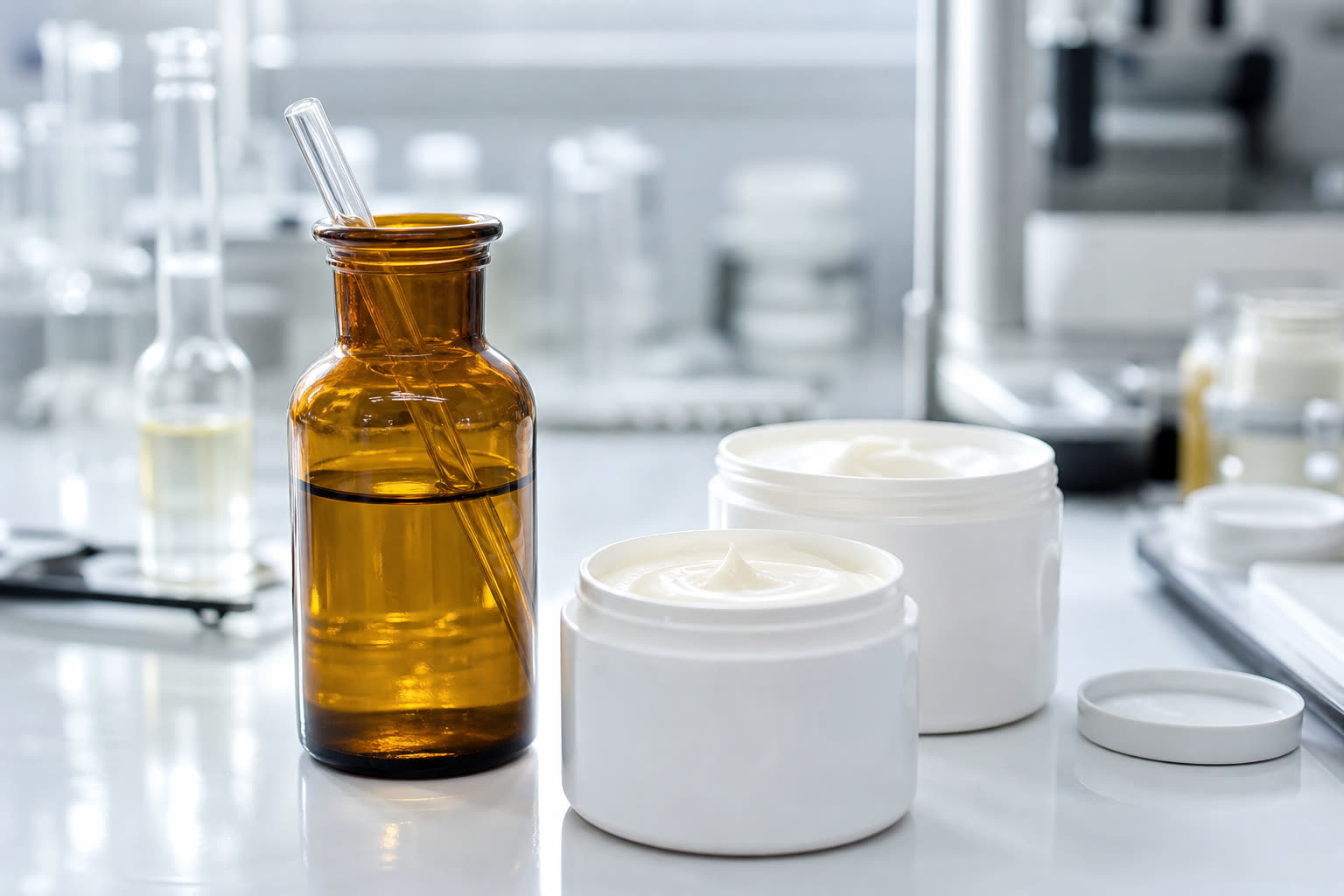
Turpentine Oil Pharma Applications and Standards
Liniments, chest rubs, balms and veterinary preparations all draw on turpentine oil as a counterirritant. Here is the pharmacopoeia context around rectified turpentine and what formulation buyers should check on a COA.
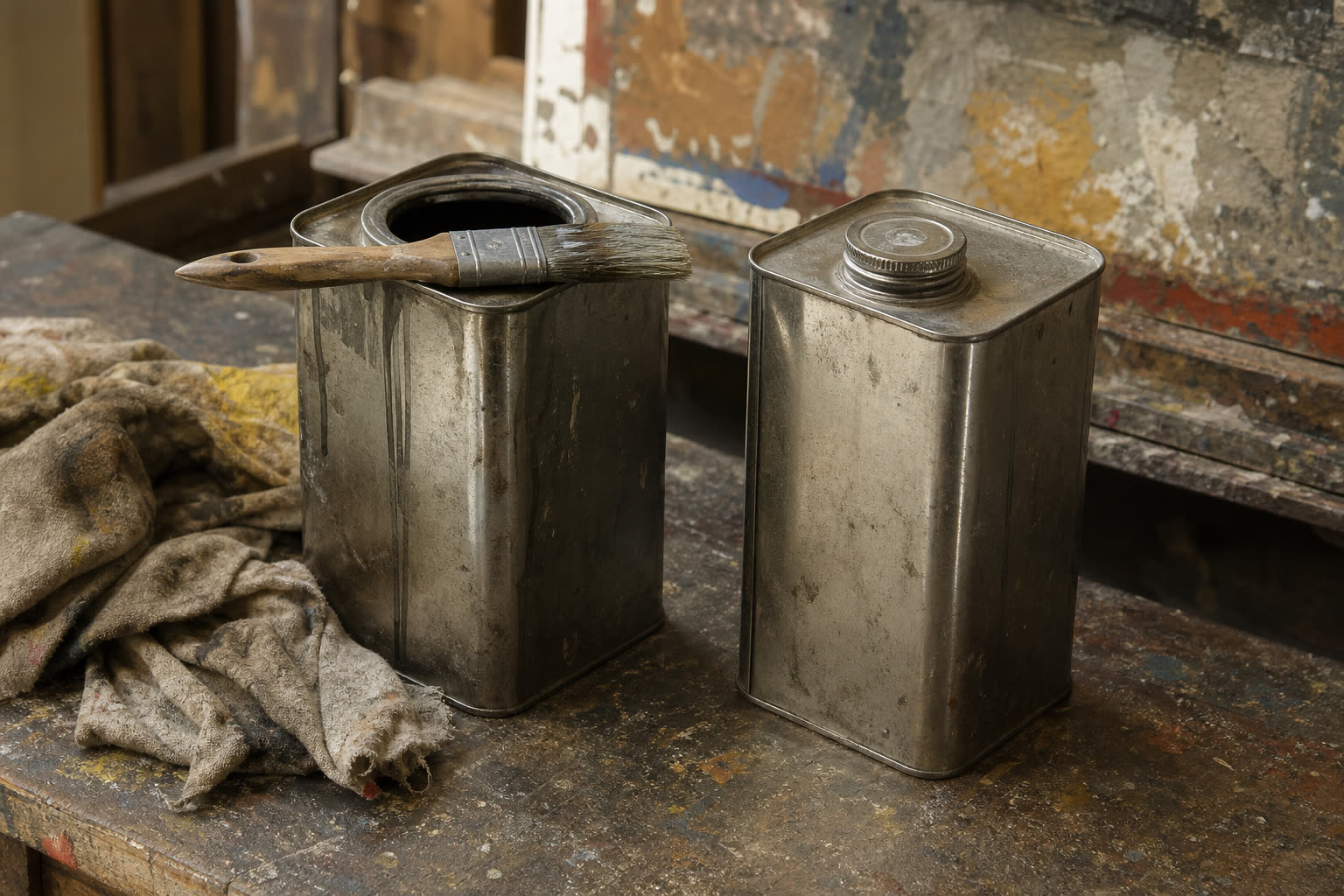
Turpentine Oil in Paints: Solvent Behaviour Explained
Turpentine does more in an oil paint than thin it. Its solvency for resins, its evaporation profile and its mild oxidising action in the film explain why artist colours and traditional varnishes still specify it.
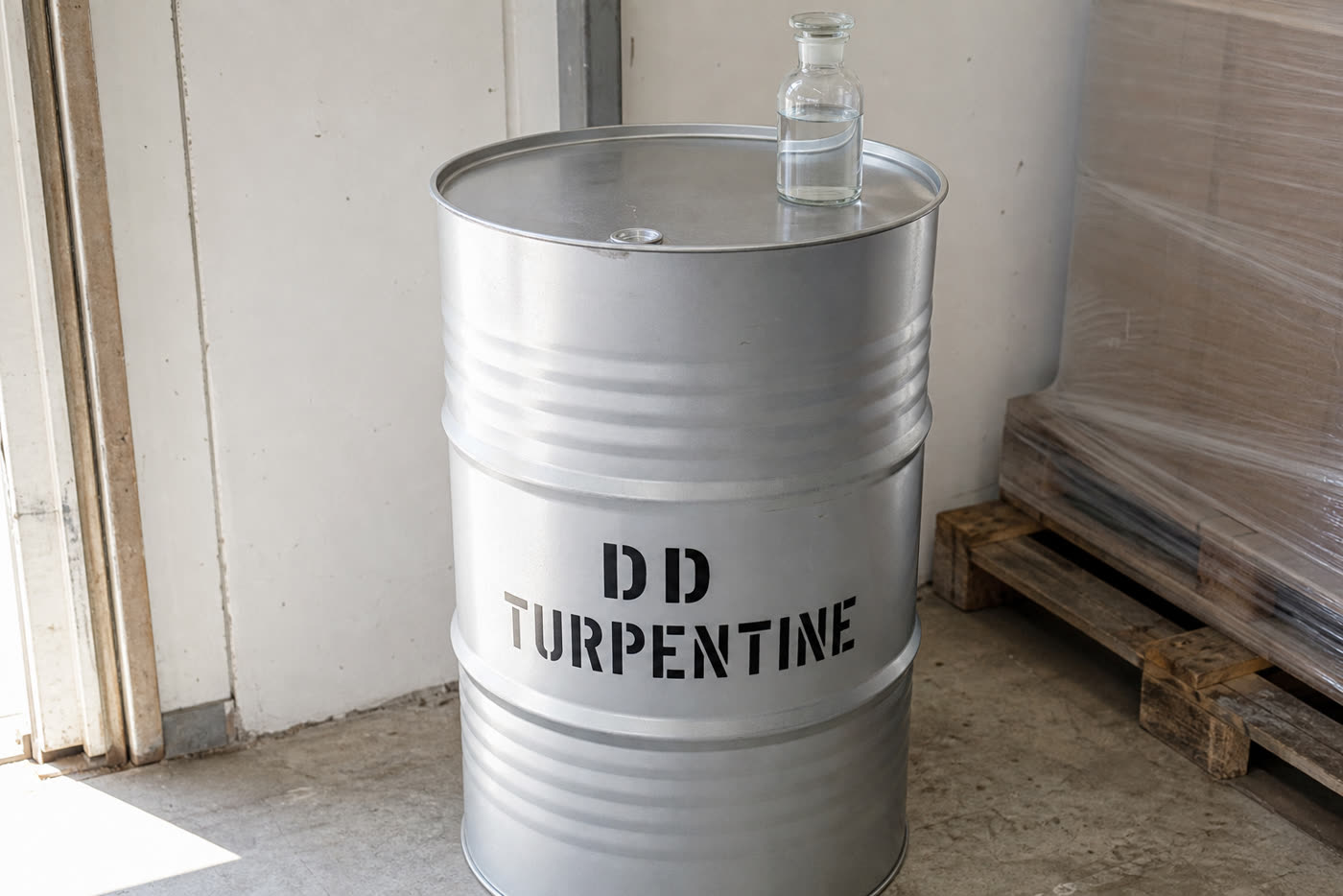
Double Distilled Turpentine Oil: Uses and Buyers
Redistillation lifts alpha-pinene to 70 to 80 percent, strips heavy ends and tightens colour. Here is exactly what changes in the still, and which industries insist on double distilled turpentine.
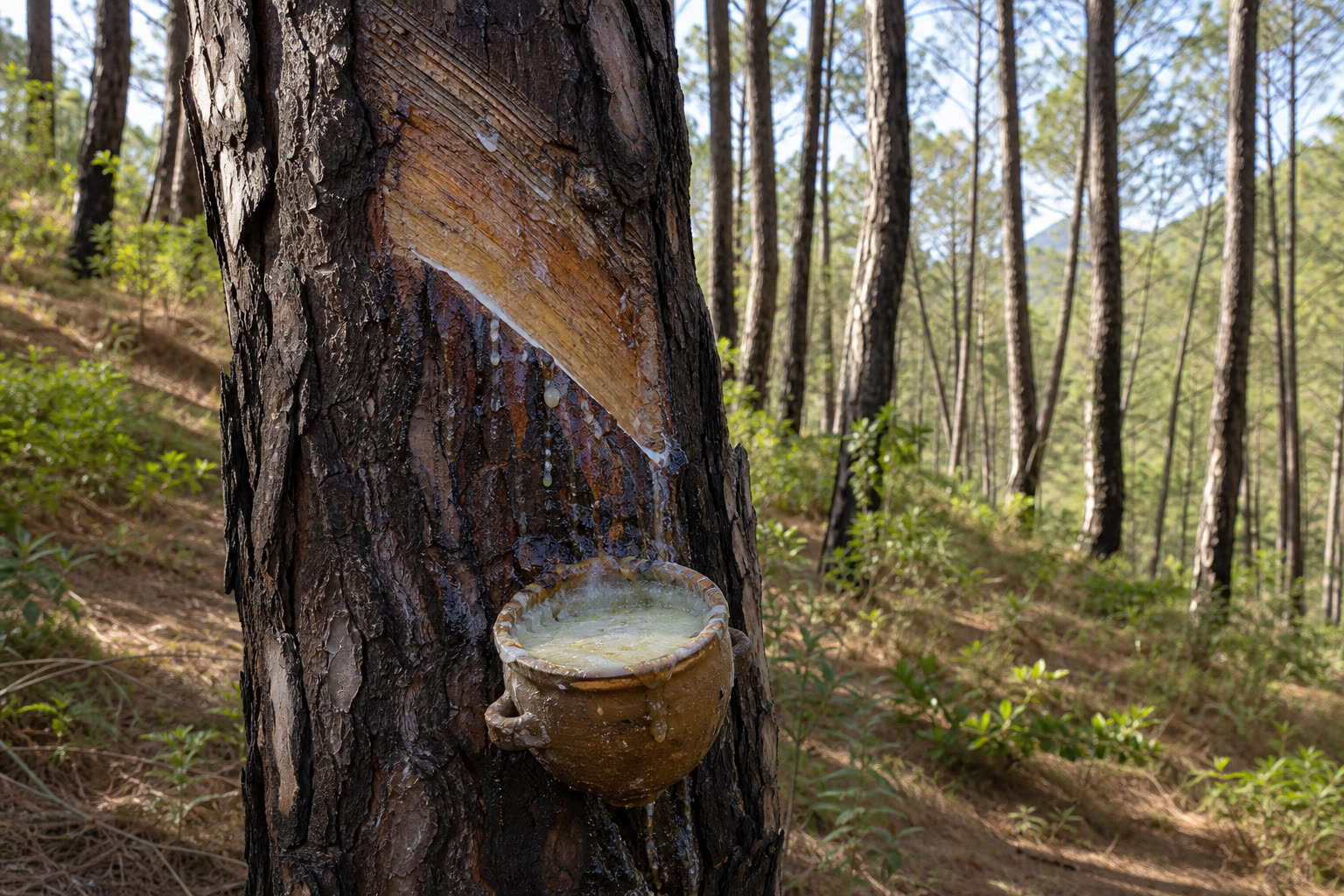
What Is Turpentine Oil? Types, Composition and Uses
Turpentine oil is the volatile fraction of pine oleoresin, rich in alpha-pinene. Here is how gum, wood and sulphate turpentine differ, what sits inside a typical GC report, and where the material actually gets used.
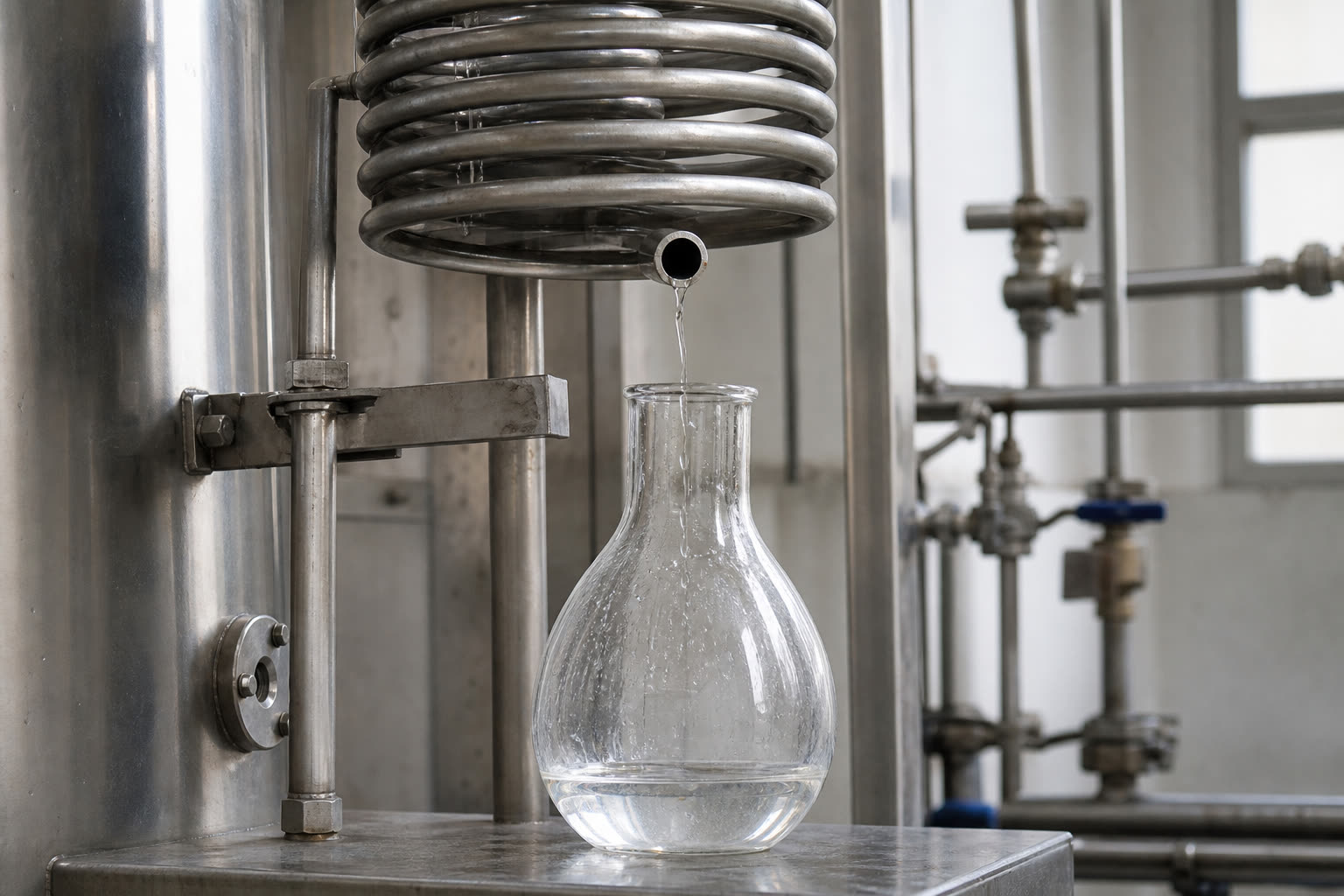
Turpentine Grade Selection: A Step by Step Checklist
GTO or DD? Work through six checklist steps, from defining what the solvent must do to running a paid trial barrel, and the grade decision makes itself. Decision table included.
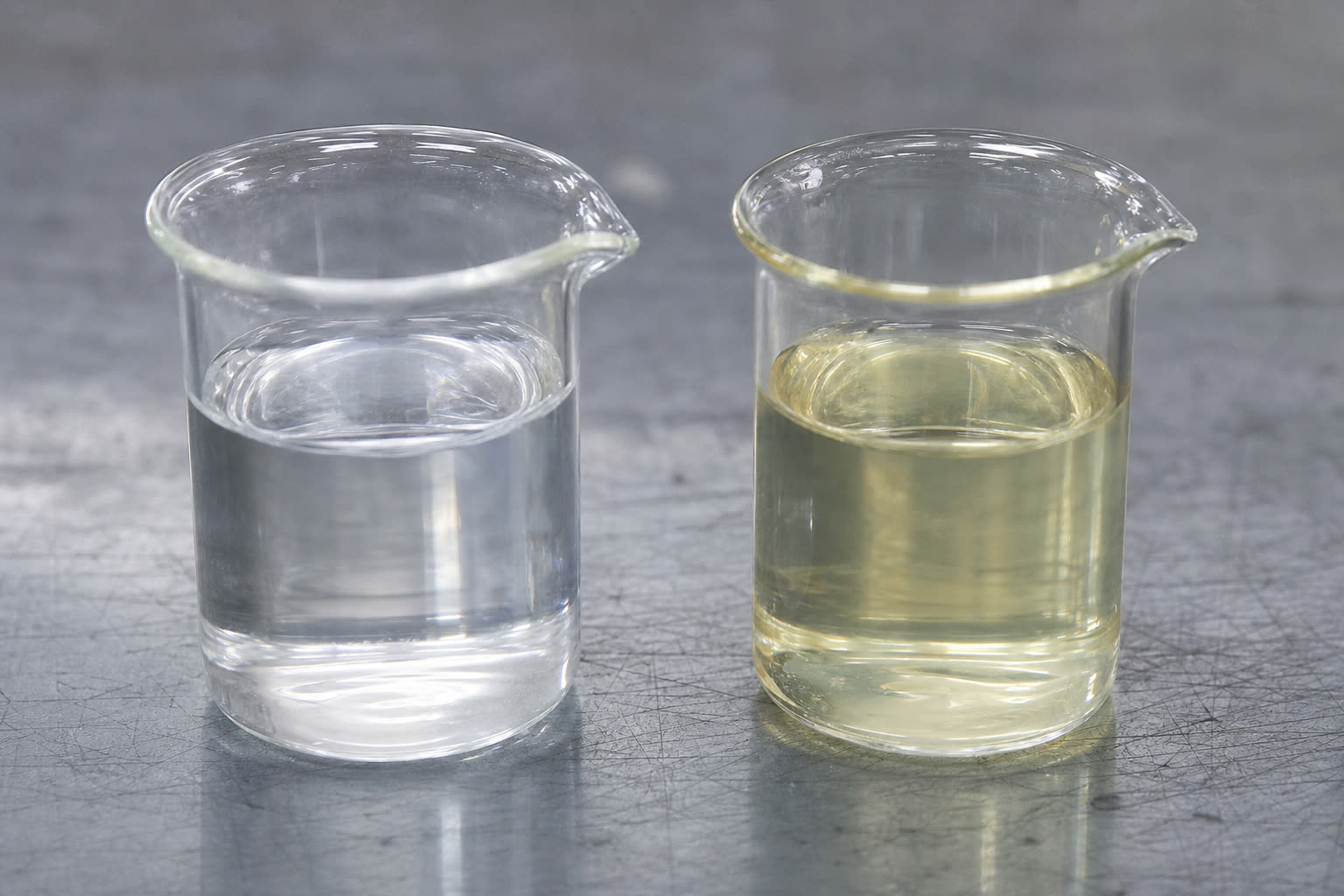
Turpentine Myths and Facts: 9 Claims Put to the Test
All turpentine is the same, colour tells you quality, it never expires, the smell test is enough. Nine claims we hear constantly from buyers, each one tested against trade reality.
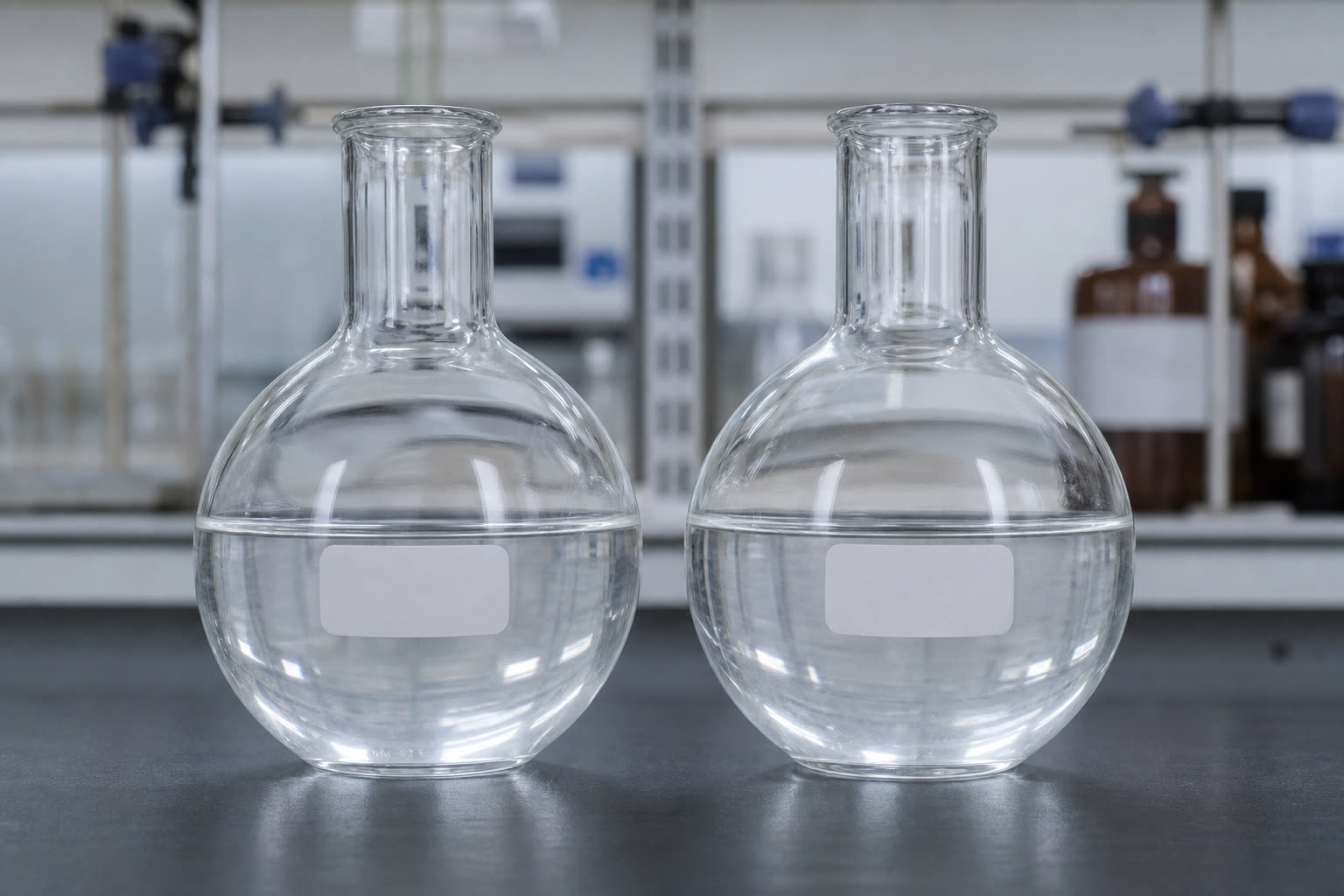
DD Turpentine as Feedstock for Aroma Chemical Synthesis
Camphor, terpineol and a long list of fragrance intermediates all start from pinene. Here is why synthesis plants feed double distilled turpentine, and what each extra percent of alpha-pinene is worth in the reactor.

GTO From Oleoresin to Barrel: Where Quality Is Decided
A drum of gum turpentine is decided months before it is filled. This is the supply chain from tapping season in the pine belt to a sealed, tested 200 litre barrel, stage by stage.
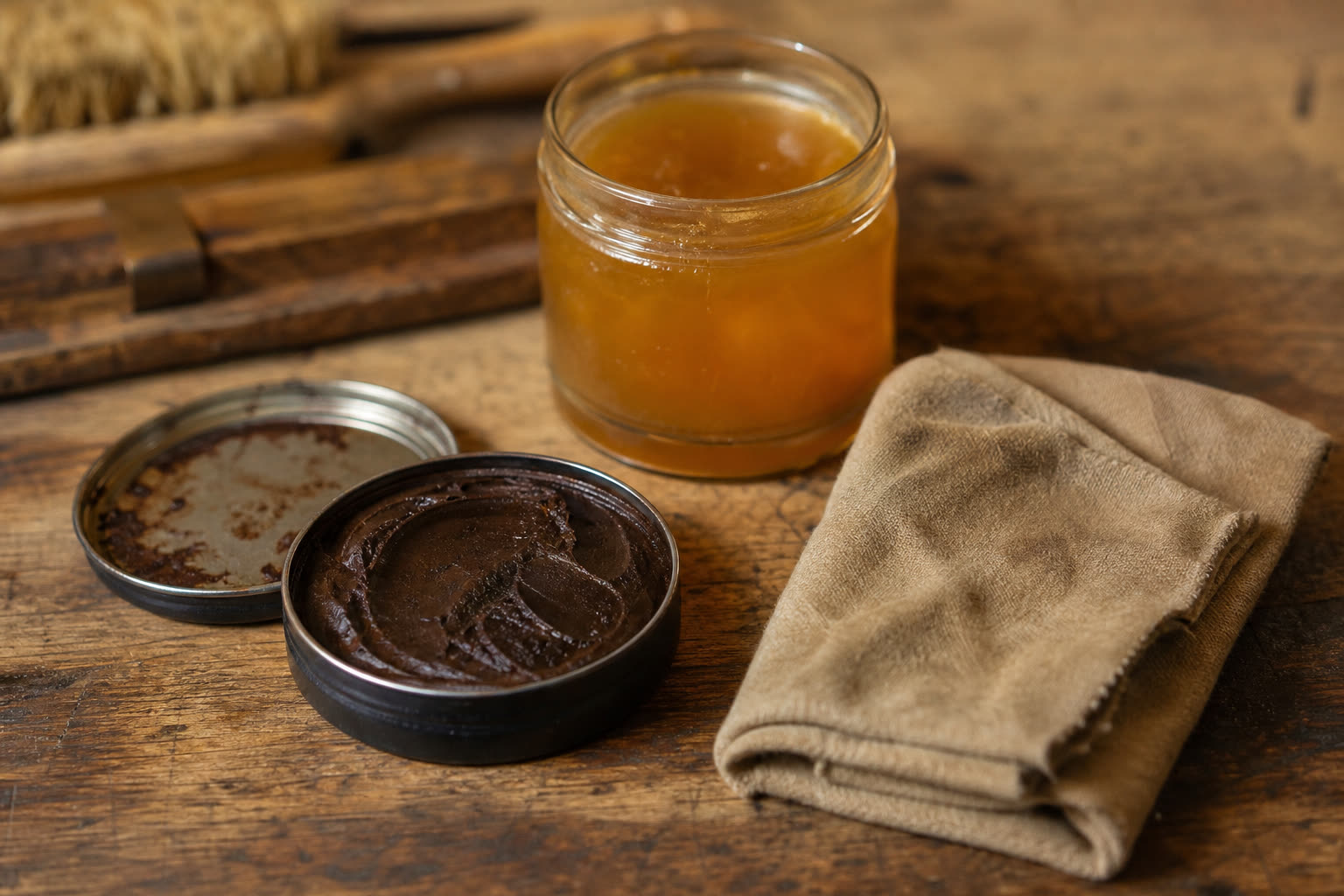
Turpentine in Polish and Wax: Formulation Carrier Guide
Shoe polish, furniture wax and marble polish all lean on the same property: turpentine dissolves hard waxes hot and releases them evenly as it evaporates. A formulation view for polish makers.
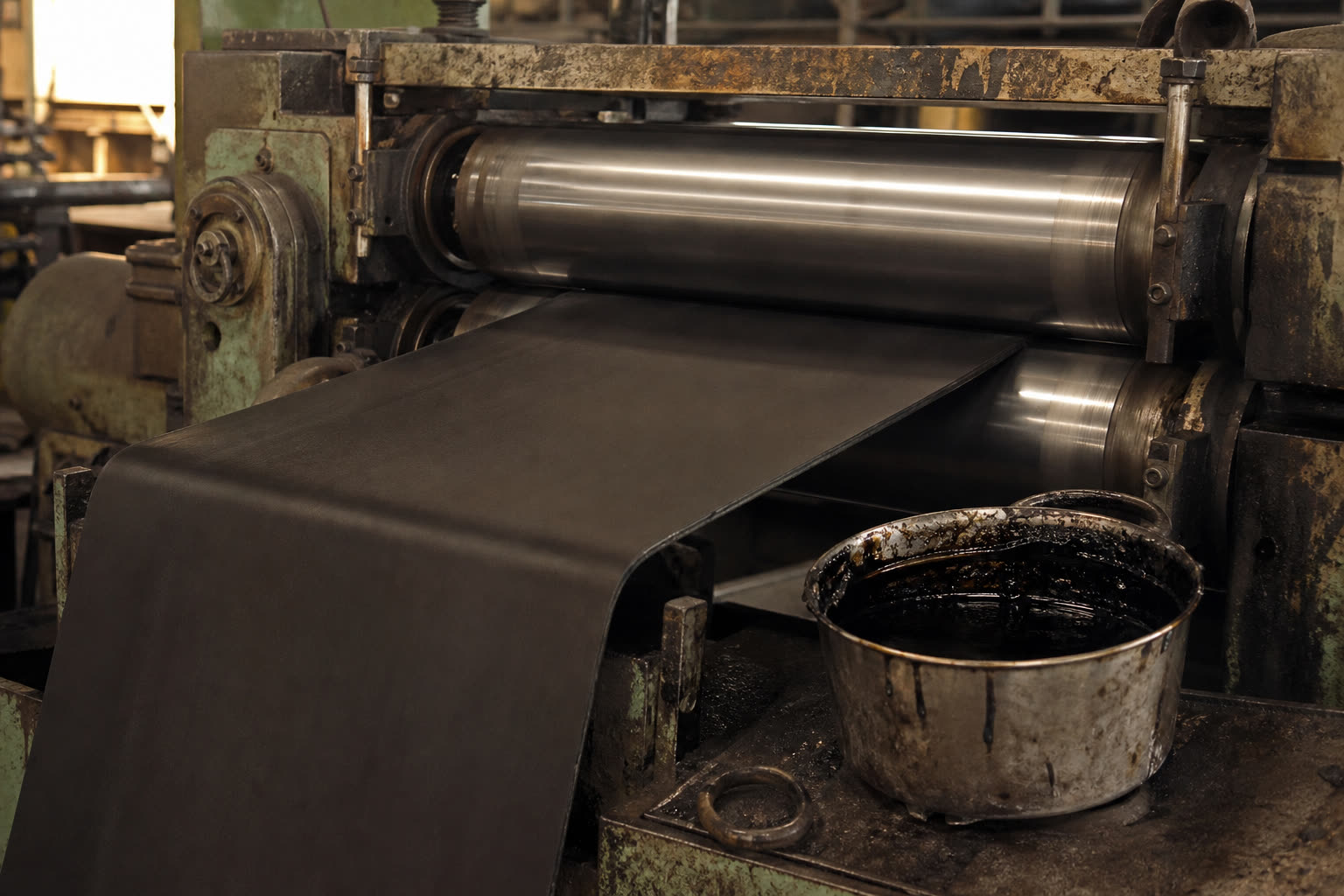
Turpentine Oil in the Rubber Industry: Roles and Grades
Rubber processors use terpene solvents in cements, reclaiming and tackifier systems. Here is where gum turpentine fits, where dipentene fits better, and how to specify the right grade.
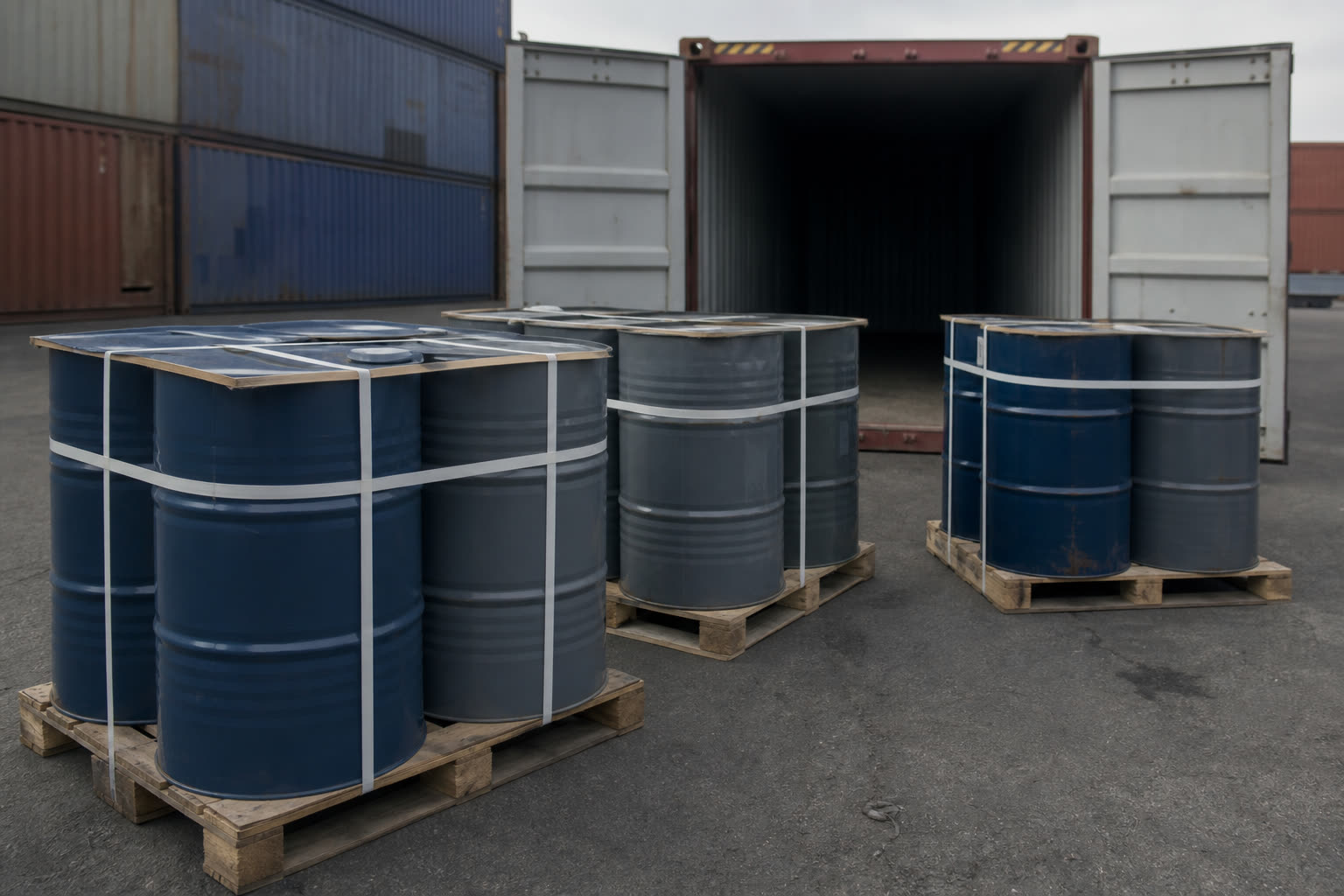
Turpentine HS Code and Export Guide: HS 3805, UN 1299
Everything an importer or first time exporter needs on turpentine paperwork: the correct HS code, dangerous goods classification, the document set per shipment and where FTA certificates cut duty.
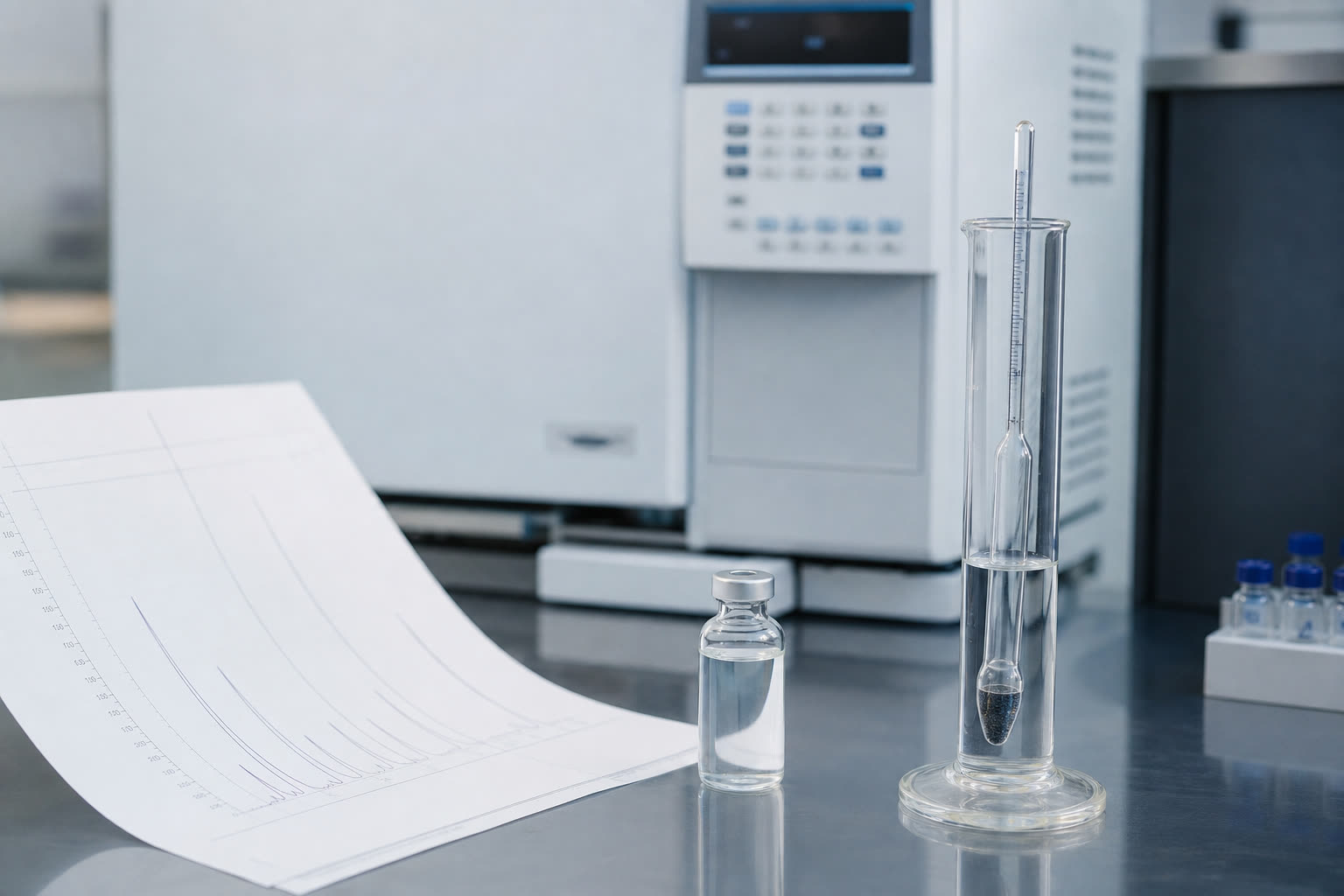
How to Test Double Distilled Turpentine: Lab Guide
Five bench tests tell you almost everything about a turpentine sample. Here is how to run GC assay, specific gravity, refractive index, evaporation residue and colour checks, and how to read the results.
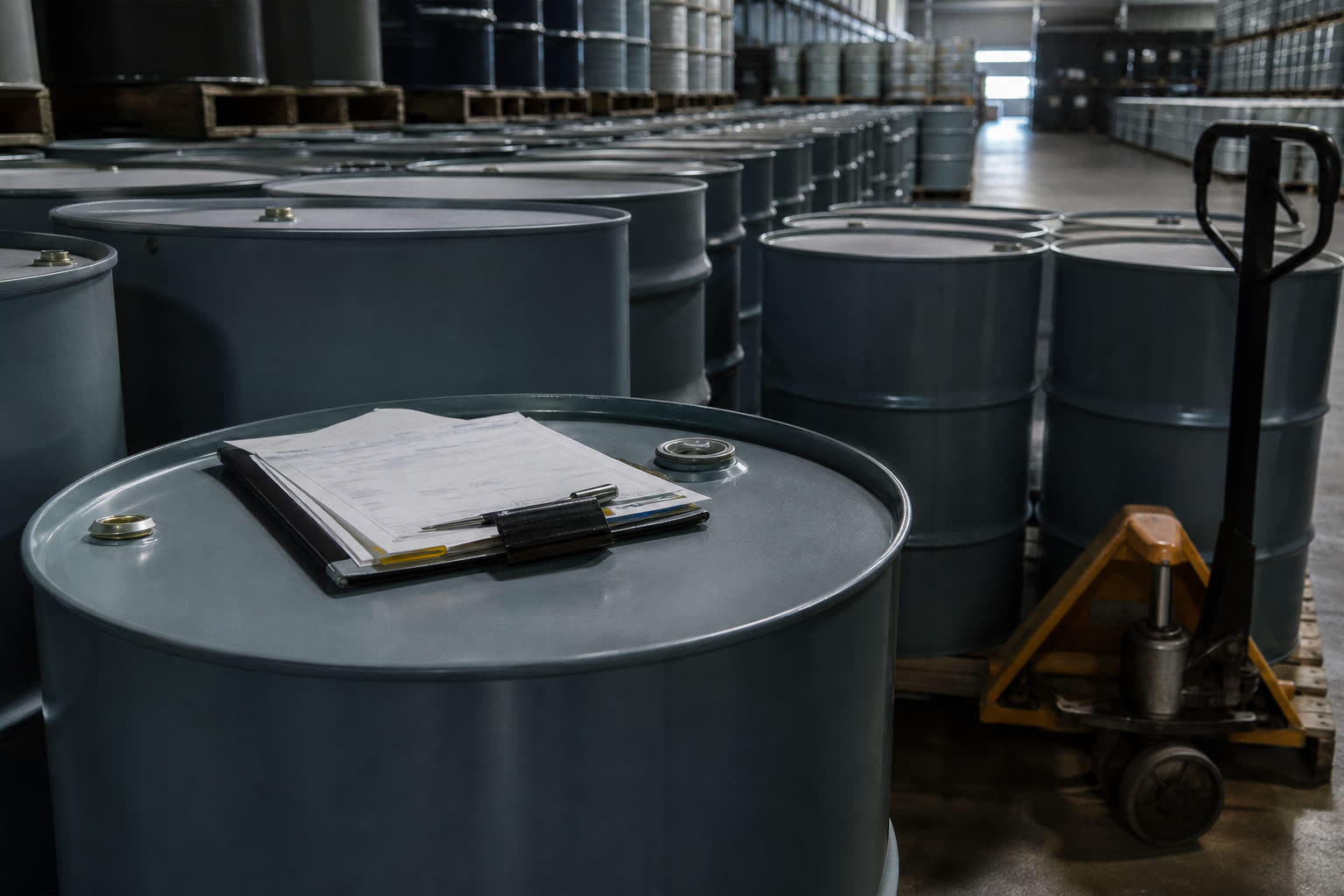
Indian GTO vs Imported Turpentine: A Buyer Comparison
Chinese, Indonesian and Brazilian turpentine all trade into India and beyond. Here is how Indian chir pine GTO compares on pinene profile, freight economics and batch consistency.
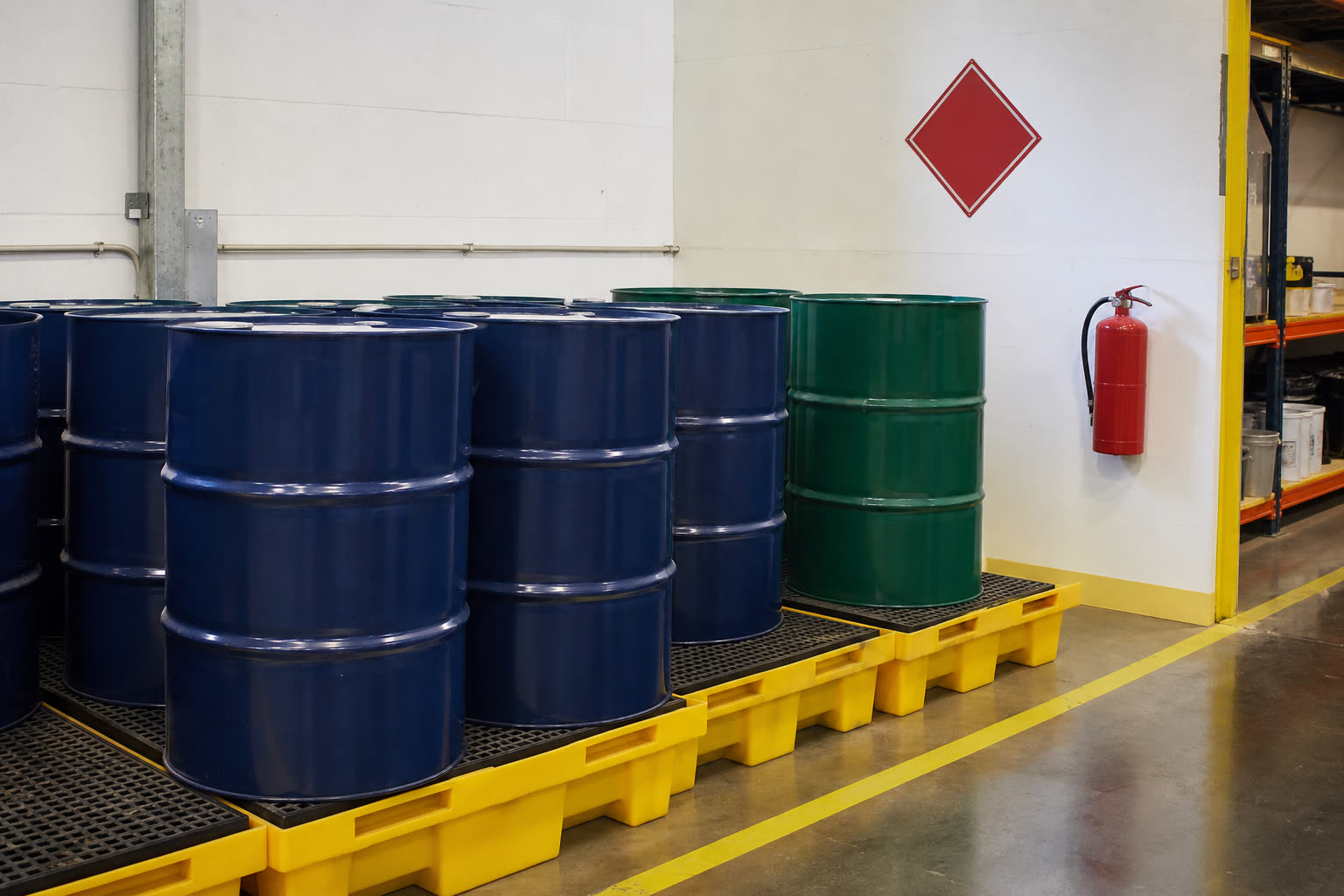
Turpentine Oil FAQ: 14 Buyer Questions Answered
Fourteen questions we hear from paint, pharma and fragrance buyers every week, answered in plain trade language: shelf life, purity, price movement, minimum orders, export documents and more.